Introduction
Solar energy is transforming the way homes and businesses generate power worldwide. With the rising demand for renewable energy, understanding solar power systems has never been more crucial. Whether you are a homeowner, business owner, or solar installer, this solar power system guide will provide clear insights into selecting, installing, and maintaining solar energy solutions.
What is a Solar Power System?
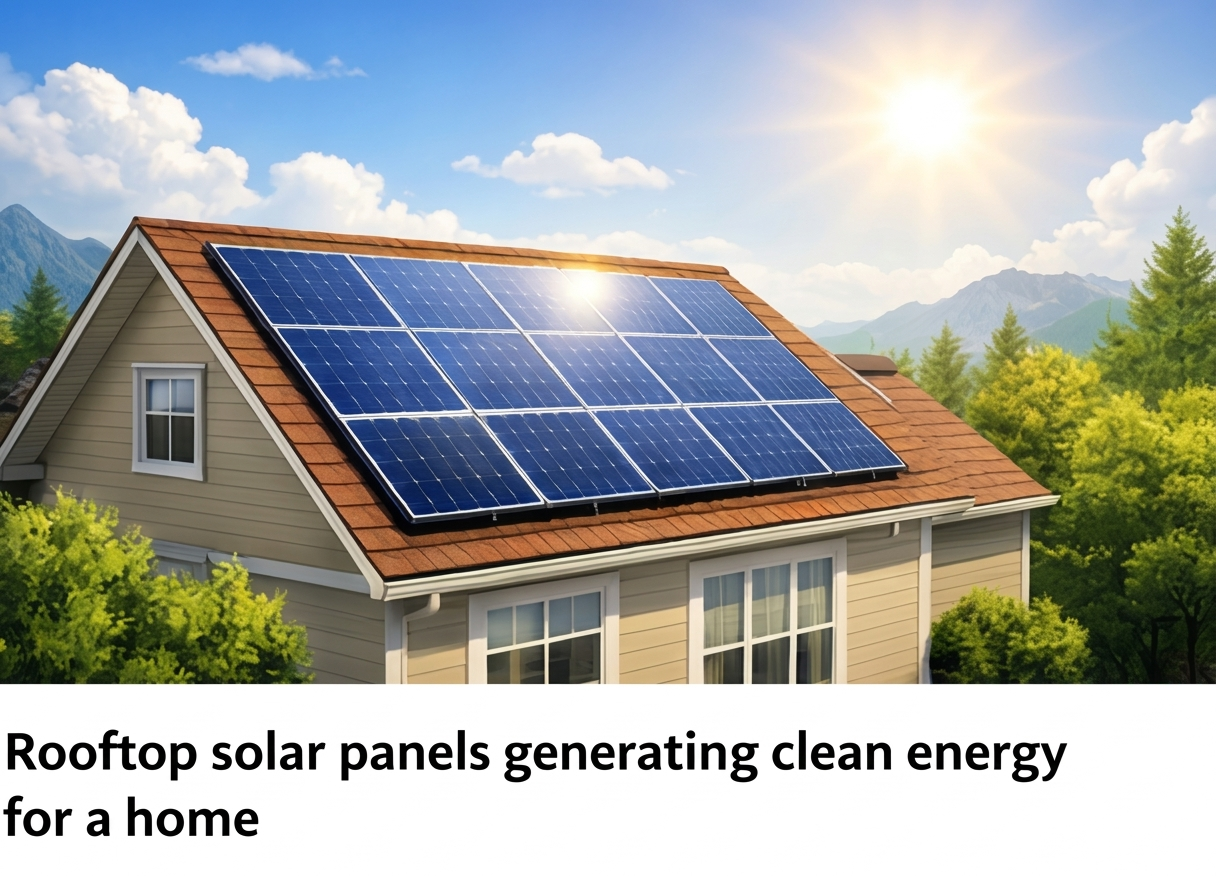
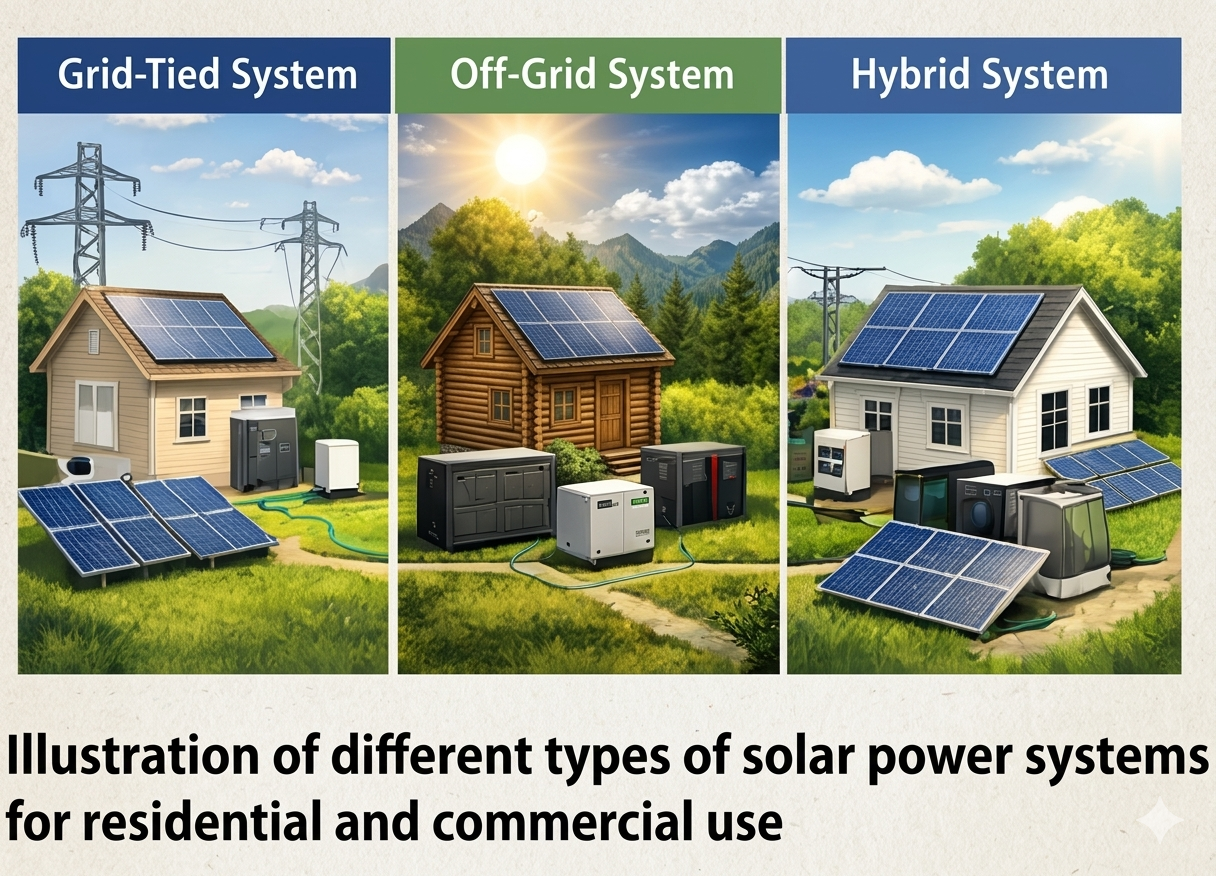
A solar power system converts sunlight into electricity using solar panels, inverters, and batteries. These systems can be categorized into three main types:
Grid-Tied Solar Systems – Connected to the local electricity grid, allowing users to sell excess energy back to the utility company.
Off-Grid Solar Systems – Independent systems ideal for remote locations without grid access.
Hybrid Solar Systems – Combine grid-tied and battery storage for reliable energy supply and backup.
Key Components of a Solar Power System
Solar Panels (PV Modules) – Capture sunlight and convert it into electrical energy. Teejoin offers high-efficiency mono-crystalline and poly-crystalline solar panels suitable for residential and commercial applications.
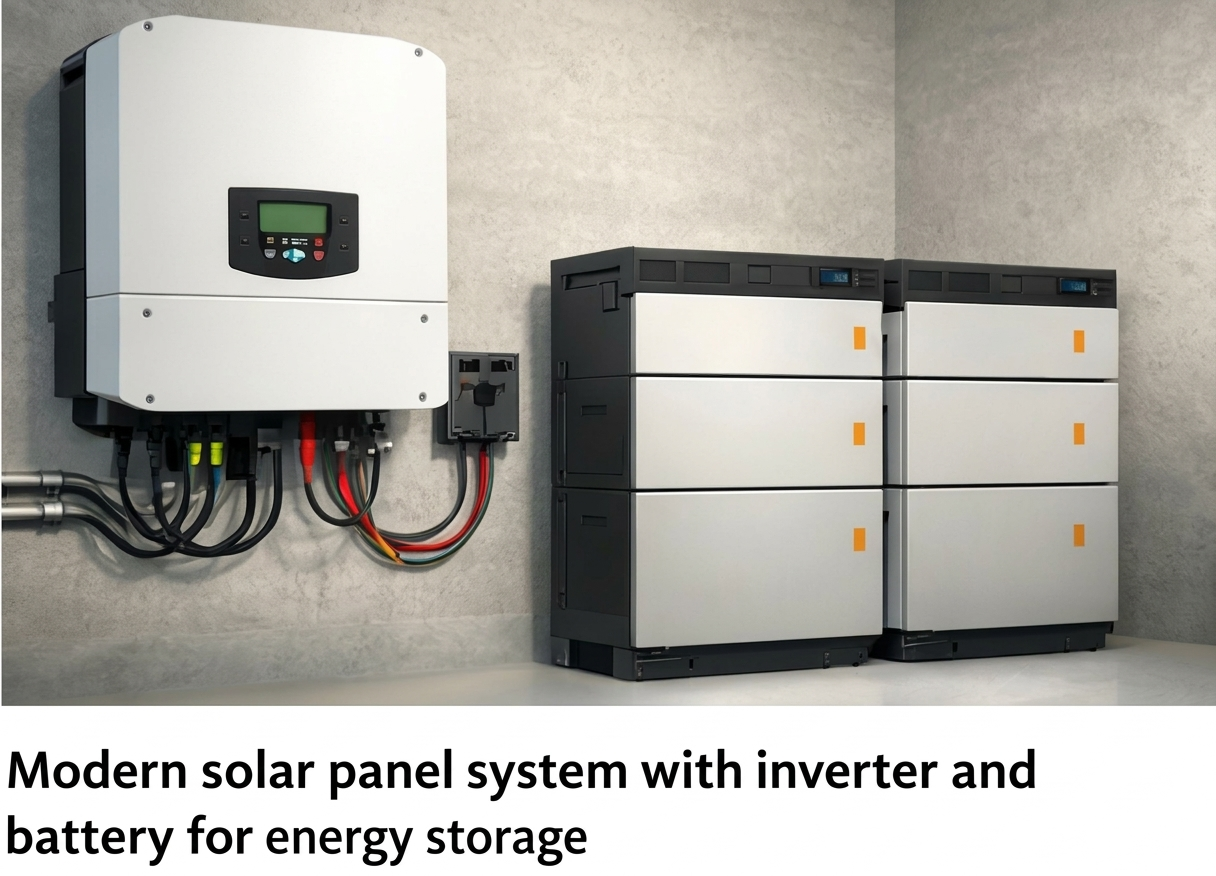
Solar Inverter – Converts DC power from panels into AC power for home or business use. On-Grid, Off-Grid, and Hybrid inverters are available to match system needs.
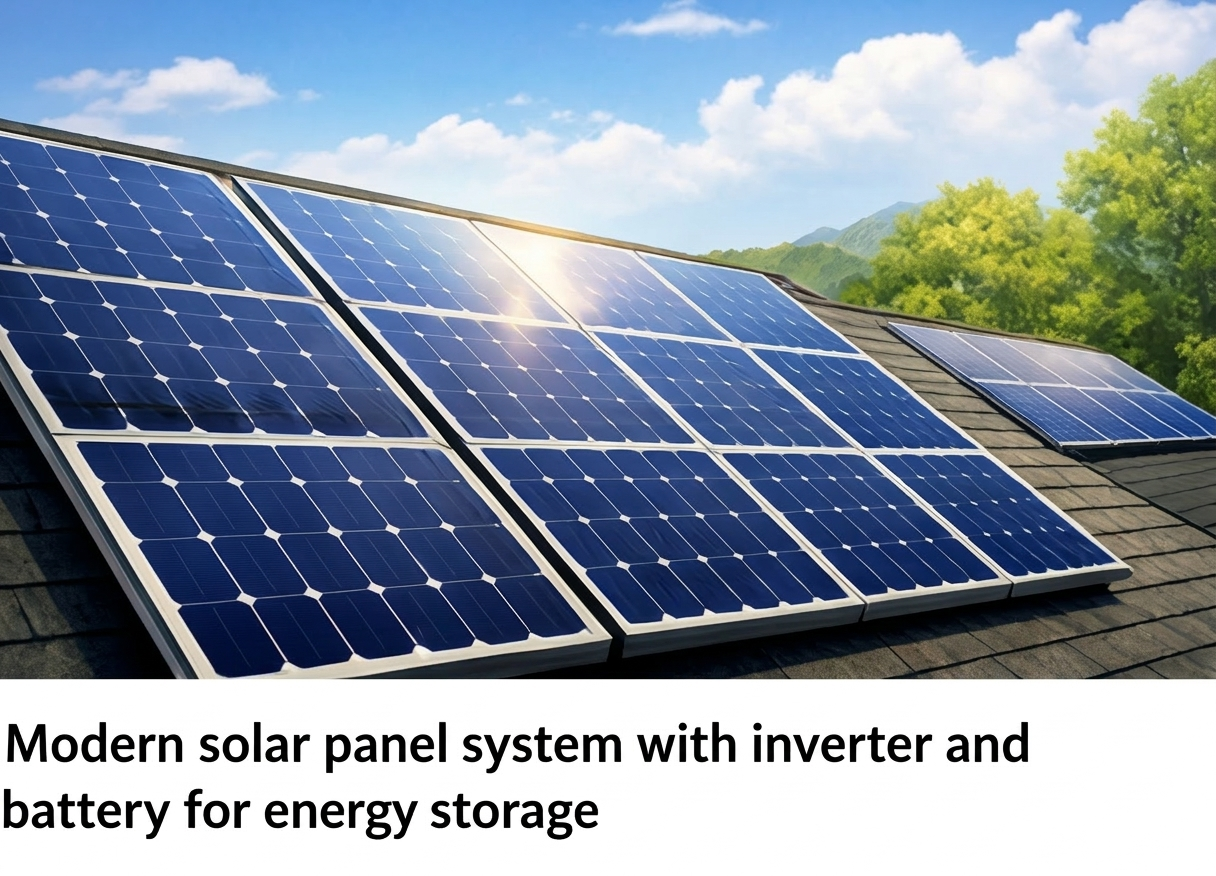
Battery Storage – Stores energy for use during nighttime or power outages. Lithium-ion batteries are popular for their long life and reliability.
Mounting Systems – Secure solar panels on rooftops or ground installations. Teejoin provides durable solar mounting solutions suitable for various environments.
Benefits of Installing a Solar Power System
Reduced Electricity Bills – Generate your own power and reduce reliance on utilities.
Environmental Impact – Lower carbon footprint with renewable energy.
Energy Independence – Protect against power outages and rising electricity costs.
High ROI for Businesses – Commercial solar installations can provide long-term savings and government incentives in many countries.
Choosing the Right Solar Power System
When selecting a system, consider the following:
Energy Consumption Needs – Calculate daily electricity usage.
Roof or Land Space Availability – Larger space allows higher energy generation.
Budget and Incentives – Explore government subsidies or tax incentives.
Panel Type and Efficiency – Teejoin’s high-efficiency solar panels maximize energy output.
Warranty and Reliability – Ensure long-term support and quality assurance.
Maintenance Tips
Regular Cleaning – Keep panels free of dust and debris to maintain efficiency.
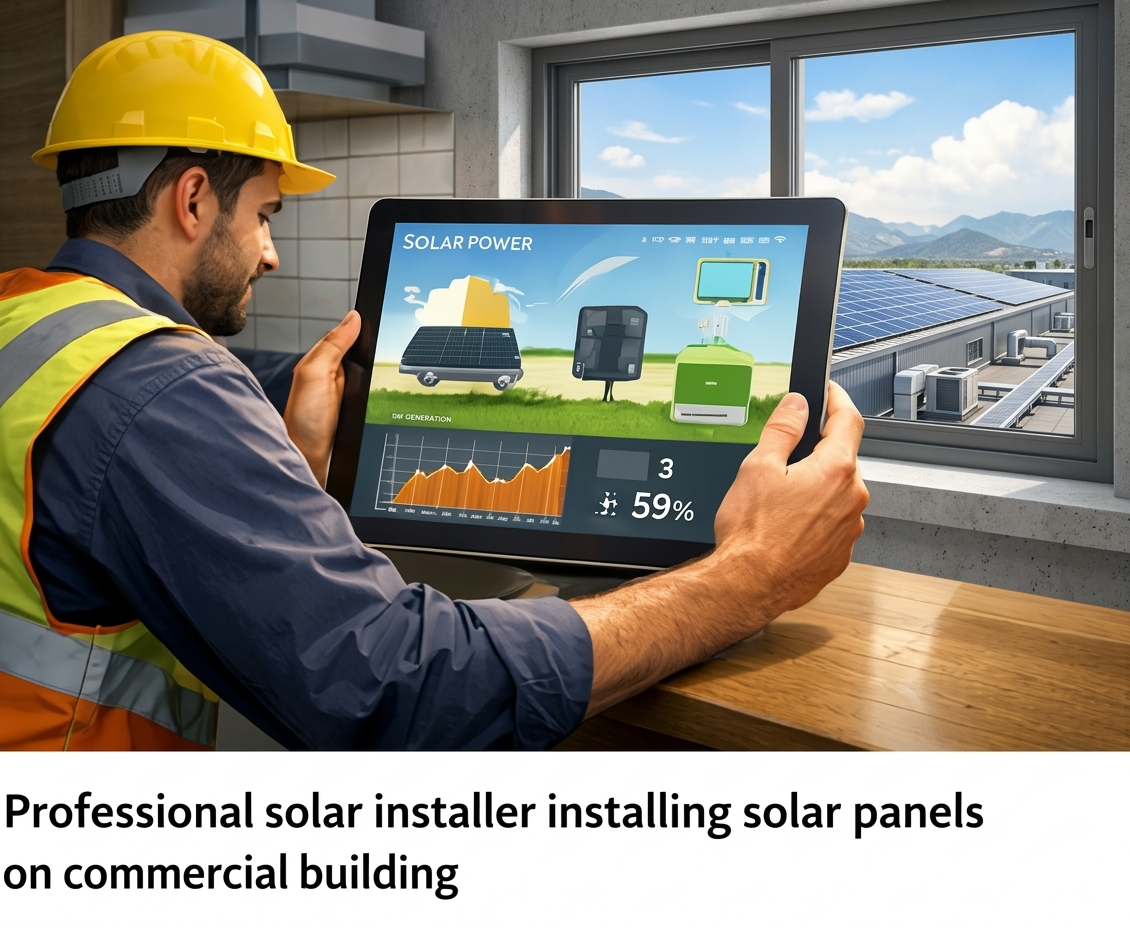
System Monitoring – Use smart inverters to track energy production and detect issues.
Periodic Inspections – Check mounting, wiring, and battery health.
Professional Support – Partner with certified solar providers like Teejoin for optimal performance.
Conclusion
Investing in a solar power system is not only environmentally responsible but also economically smart. Teejoin provides premium solar panels, inverters, batteries, and complete system solutions for homes, businesses, and remote installations. Start your journey toward clean, reliable, and efficient solar energy today.