


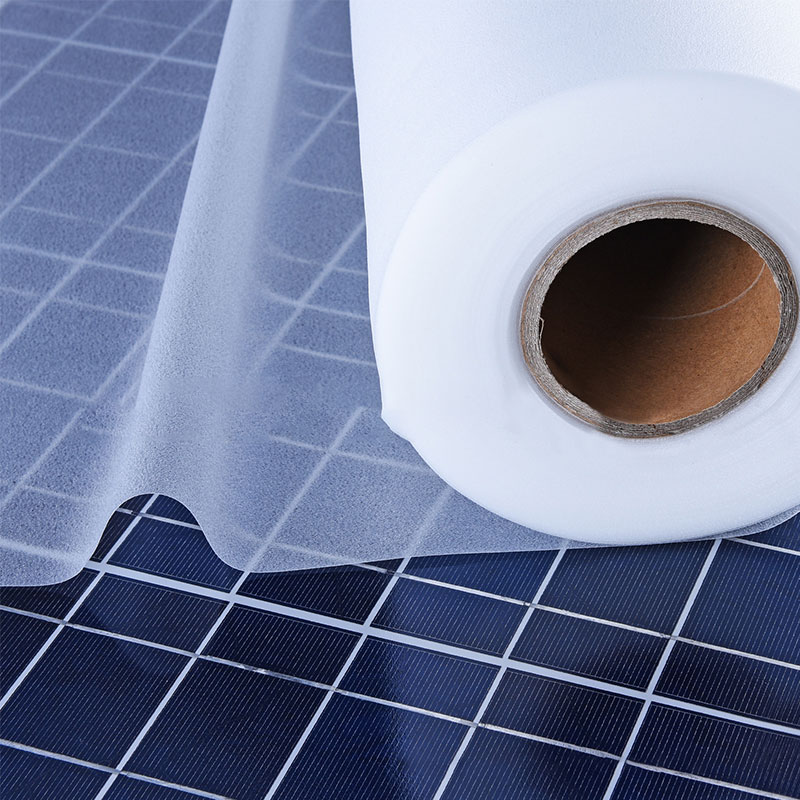
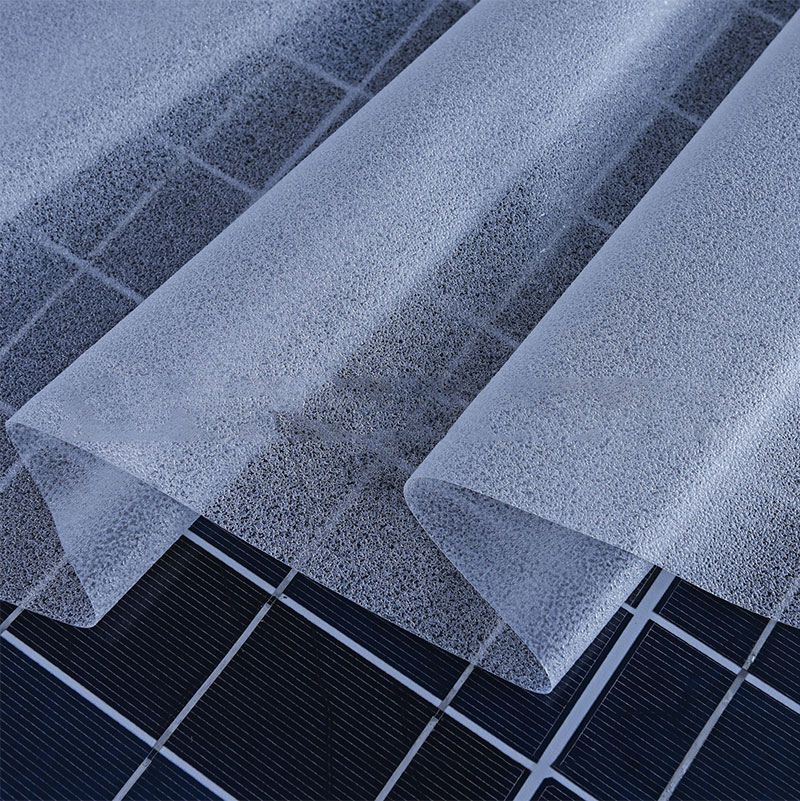
The solar EVA film plays a crucial role in the performance and longevity of solar PV modules. This article explores the role and importance of solar EVA film in enhancing the efficiency and reliability of solar energy systems.
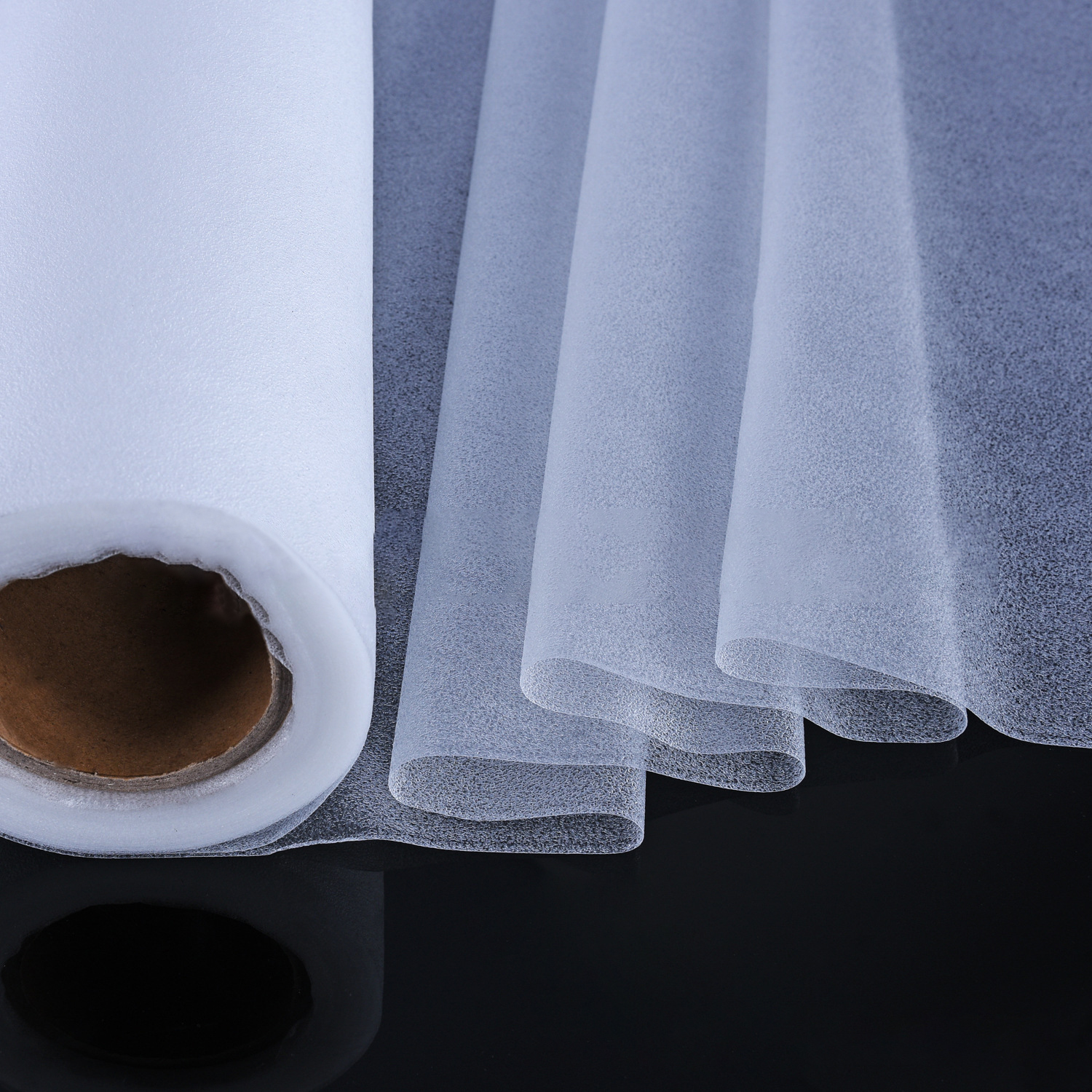
Encapsulation and Protection: Solar EVA film acts as an encapsulant, protecting the sensitive photovoltaic cells from external environmental factors. It shields the solar cells from moisture, dust, humidity, and other potential contaminants that could otherwise impair their performance. The EVA film creates a barrier that maintains the integrity of the solar cells, preserving their efficiency and extending their operational life.
Optical Properties: Solar EVA film possesses excellent light transmission properties, allowing a majority of sunlight to pass through and reach the underlying solar cells. This transparency is crucial since solar cells require maximum exposure to sunlight to convert it into electricity effectively. The EVA film's ability to transmit sunlight optimizes the power output of the PV module, ensuring higher energy generation.
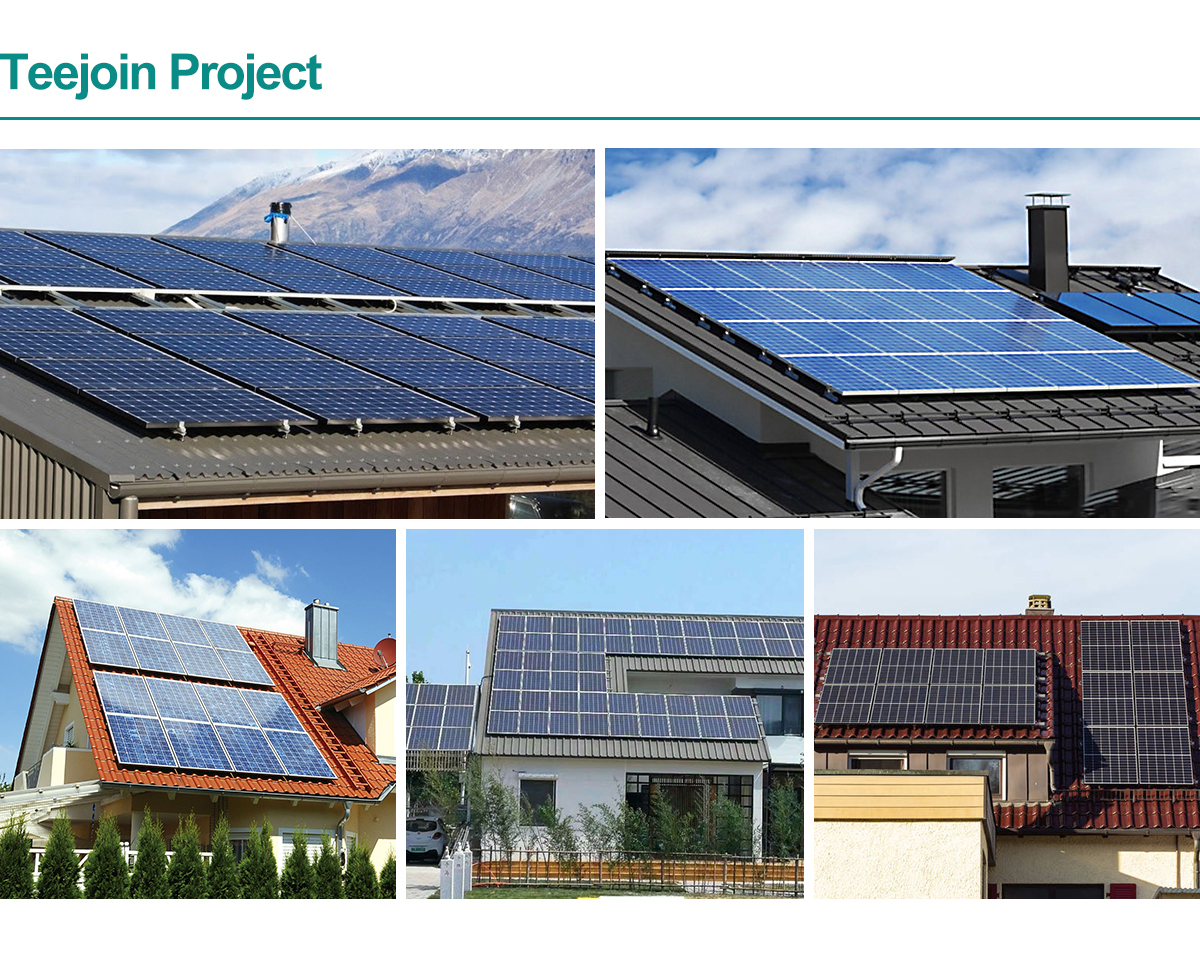
Lamination and Adhesion: EVA film acts as a binding agent during the lamination process of solar modules. The EVA film, along with other layers such as the front glass and backsheet, is sandwiched together using heat and pressure. This lamination process not only provides mechanical strength and durability to the module but also improves its resistance to temperature variations and external stress. The EVA film's excellent adhesive properties ensure a secure bond between the different layers, preventing the ingress of moisture and maintaining the structural integrity of the module.
Electrical Insulation: Solar EVA film possesses excellent electrical insulation properties, safeguarding the solar cells against electrical leakage and short-circuits. As the solar cells produce electricity, the EVA film prevents any current leakage or contact between the front and back surfaces of the cells, thus ensuring the desired electrical performance of the PV module. This insulation capability enhances the safety and reliability of the solar energy system.
Thermal Conductivity: EVA film helps dissipate heat generated by the solar cells during operation. By efficiently conducting and distributing heat away from the solar cells, the EVA film helps maintain their optimal operating temperature. This thermal management improves the overall efficiency and performance of the PV module, as excessive heat can reduce the cells' electrical output and lifespan.
Conclusion: Solar EVA film plays a multifaceted role in solar PV systems. It acts as a protective layer, safeguarding the solar cells against environmental elements, while also facilitating optimal light transmission. Additionally, it ensures proper lamination, adhesion, electrical insulation, and thermal management, contributing to the long-term reliability and efficiency of solar modules. As solar energy continues to grow as a clean and sustainable energy source, the role of solar EVA film remains integral in maximizing the performance and durability of solar PV systems.
More Product Picks

Follow us ! TEEJOIN SOLAR


