


Reasons to like solar flex panels
Solar flexible panels are favored for their unique characteristics. They are flexible, lightweight, and customizable, making them highly sought after in the solar market.
Here are the pros and cons of solar flex panels and the reasons why people like them:
Advantages of flexible solar panels:
1. LIGHTWEIGHT & FLEXIBLE: Compared with traditional silicon-based solar panels, flexible panels are lighter and more bendable, and are suitable for installation on irregular or curved surfaces, such as curved walls of buildings or roofs of automobiles, etc., which meets the needs of most solar enthusiasts, and because of the bendable nature of the solar flexible panels, they provide a solution for people installing solar energy in special terrains or locations.
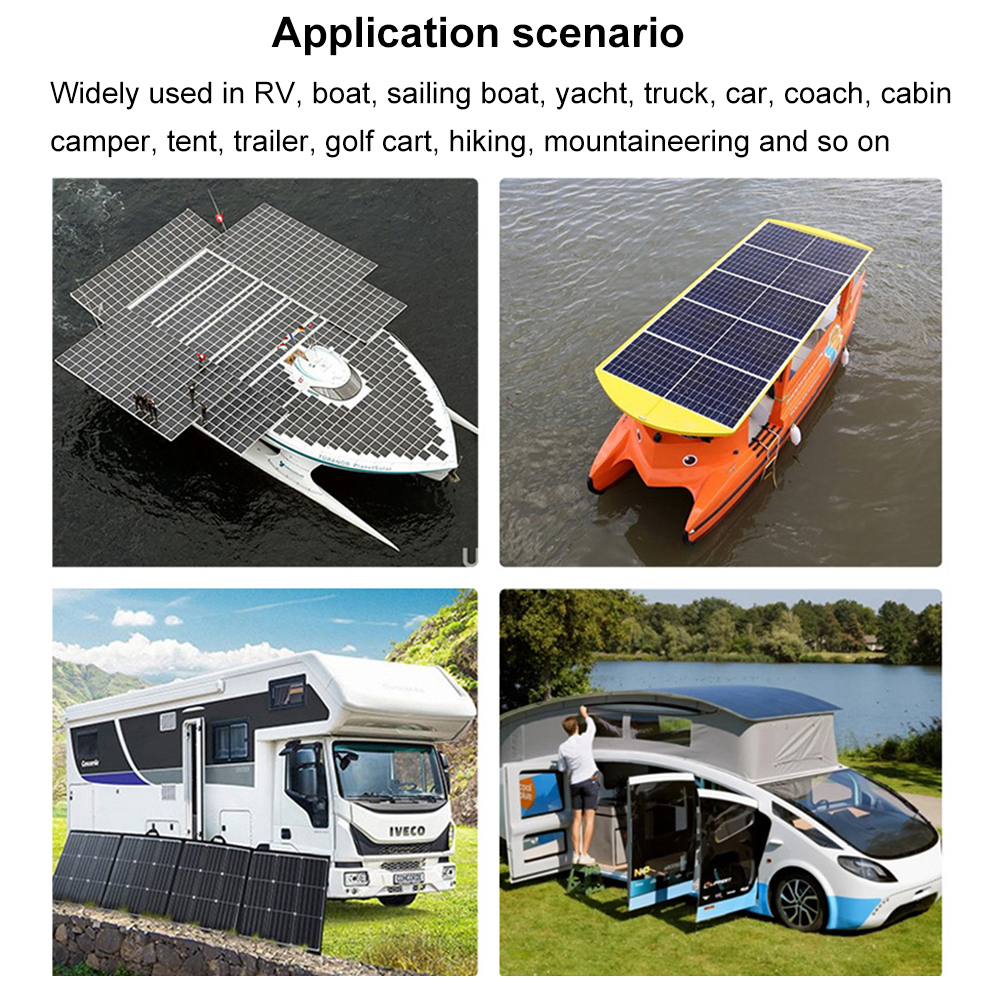
Lightweight: Flexible solar panels are typically made of thin, lightweight materials and are therefore lighter in weight than traditional silicon-based solar panels. This makes them easier to handle, install and carry, reducing transportation and installation costs.
Flexible Design: Flexible solar panels are made from a flexible substrate, giving them the ability to bend and fold. This flexible design allows the panels to adapt to the shapes and curves of various surfaces, such as the curved roofs of buildings and the curved housings of vehicles, increasing their application flexibility in different scenarios.
Ease of Installation: Due to their lightweight and flexible nature, flexible solar panels are often easier to install. Compared to traditional solar panels that require additional brackets or fixing devices, flexible solar panels can be directly pasted or fixed to the target surface, saving installation time and cost.
Portable: The lightweight nature of flexible solar panels makes them suitable for portable energy solutions. For example, they can be rolled up or folded for easy transportation to outdoor events, camping or remote locations, providing users with a reliable, independent source of energy.
Easy to Maintain: Because flexible solar panels typically do not require complex support structures and have smooth surfaces, they are relatively simple to clean and maintain. This reduces routine maintenance costs and extends the life of the solar panel.
2. Customizability: Solar flex panels can be custom designed and manufactured to meet the needs of specific projects, offering a wider range of applications, such as in boats, campers and outdoor activities.
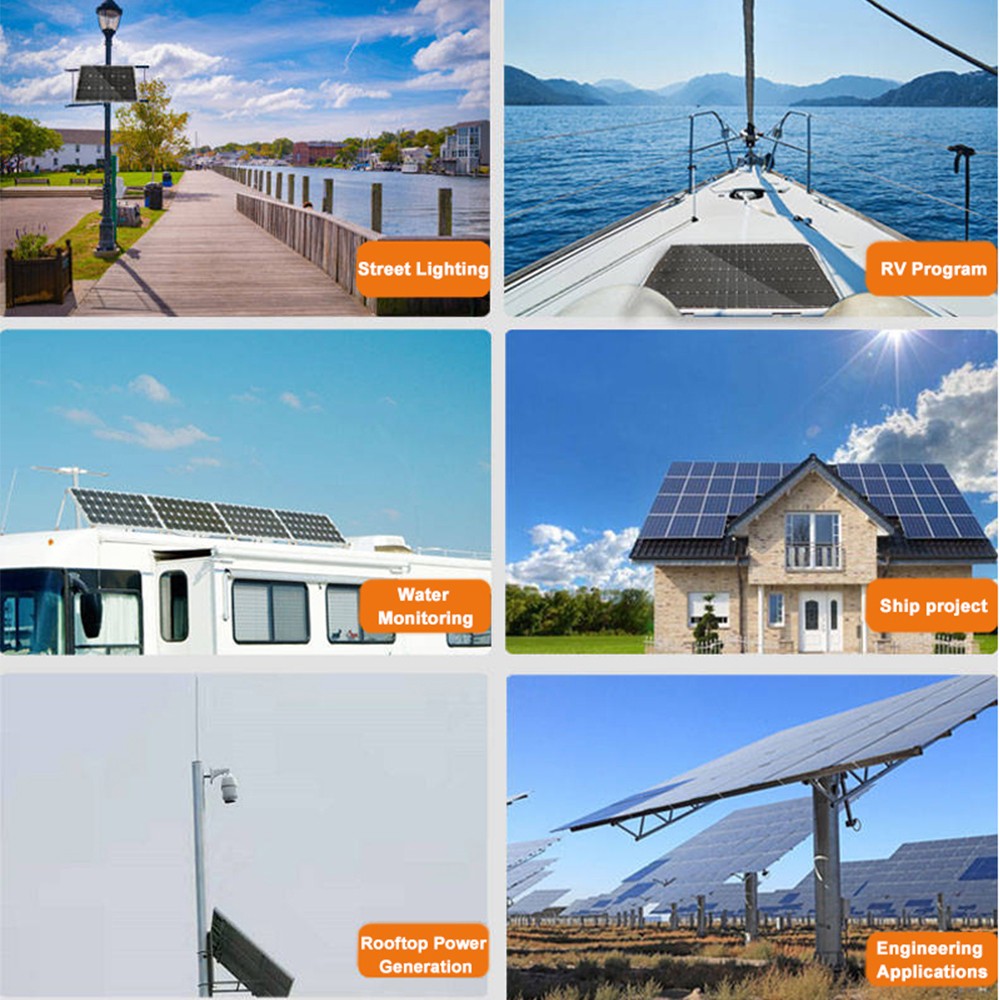
SIZE CUSTOMIZATION: The size of the solar panels can be customized according to the customer's needs in terms of length, width and thickness. This allows flexible solar panels to be adapted to a wide range of installation sites and applications of different sizes.
Shape Customization: Flexible solar panels can be shaped to fit the needs of a particular project, including flat, curved, round and other shapes. This customization capability allows the panels to adapt to different surfaces and structures, such as the curved walls of a building or the shell of a vehicle.
Color Customization: The exterior color of flexible solar panels can often be customized, allowing different colors to be selected based on customer preferences or the design requirements of a particular project, allowing them to blend in better with their surroundings.
Transparency Customization: The transparency of flexible solar panels can also be customized, and different levels of transparency can be selected according to project needs to balance the energy collection efficiency and light transmission performance to adapt to different application scenarios.
Electrical performance customization: The electrical performance parameters of flexible solar panels, such as voltage, current and power, can also be customized according to customer requirements. This ensures that the electrical performance of the solar panels matches the requirements of the entire system and improves the overall efficiency and performance of the system.
Additional Functions Customization: According to project requirements, flexible solar panels can also be integrated with a variety of additional functions, such as waterproofing, sun protection, corrosion prevention and other special treatments, in order to adapt to specific environmental requirements and application scenarios.
TEEJOIN SOLAR POWER ENERGY can customize and design the best solar flex panels for global customers, unlocking the problem of not being able to charge their electronic devices outdoors and not having enough power to support their activities.
3. High Efficiency: Flexible solar panels usually have high conversion efficiency, which can fully utilize light energy and provide reliable energy output.
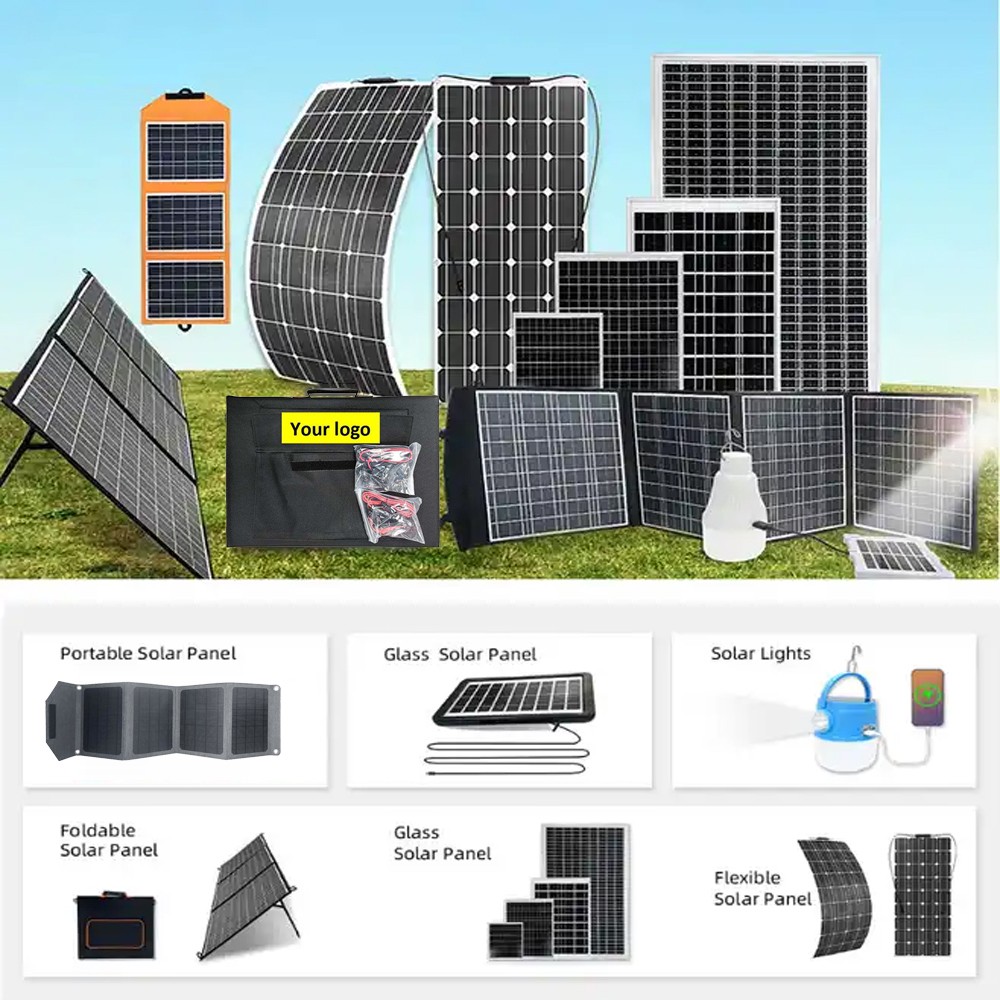
High conversion efficiency: Flexible solar panels utilize advanced photovoltaic technology and typically have a high conversion efficiency. This means that they are able to convert sunlight into electricity more efficiently, providing higher energy output.
Spectral Adaptability: Flexible solar panels are well adapted across different spectral ranges, enabling them to maintain efficient energy conversion under different lighting conditions, including low light or large spectral variations.
Low light attenuation: Compared with conventional silicon-based solar panels, flexible solar panels typically have lower light attenuation rates, which means that they can maintain a more stable energy output over their lifespan, extending their useful life.
Good Temperature Adaptability: Flexible solar panels have better temperature adaptability and can maintain more stable performance in high or low temperature environments, unlike some traditional solar panels that experience significant performance degradation at high temperatures.
Flexibility and Adaptability: Due to its flexible nature, flexible solar panels can easily adapt to different shapes and surfaces, such as curved surfaces, bending surfaces, etc., which allows them to be flexibly applied in more scenarios and improves the efficiency of energy utilization.
Fast Response and Modular Design: Flexible solar panels are usually characterized by fast response, which enables them to quickly adjust their energy output when light conditions change. In addition, they are usually designed in a modular structure that can be combined and expanded as needed, improving system flexibility and scalability.
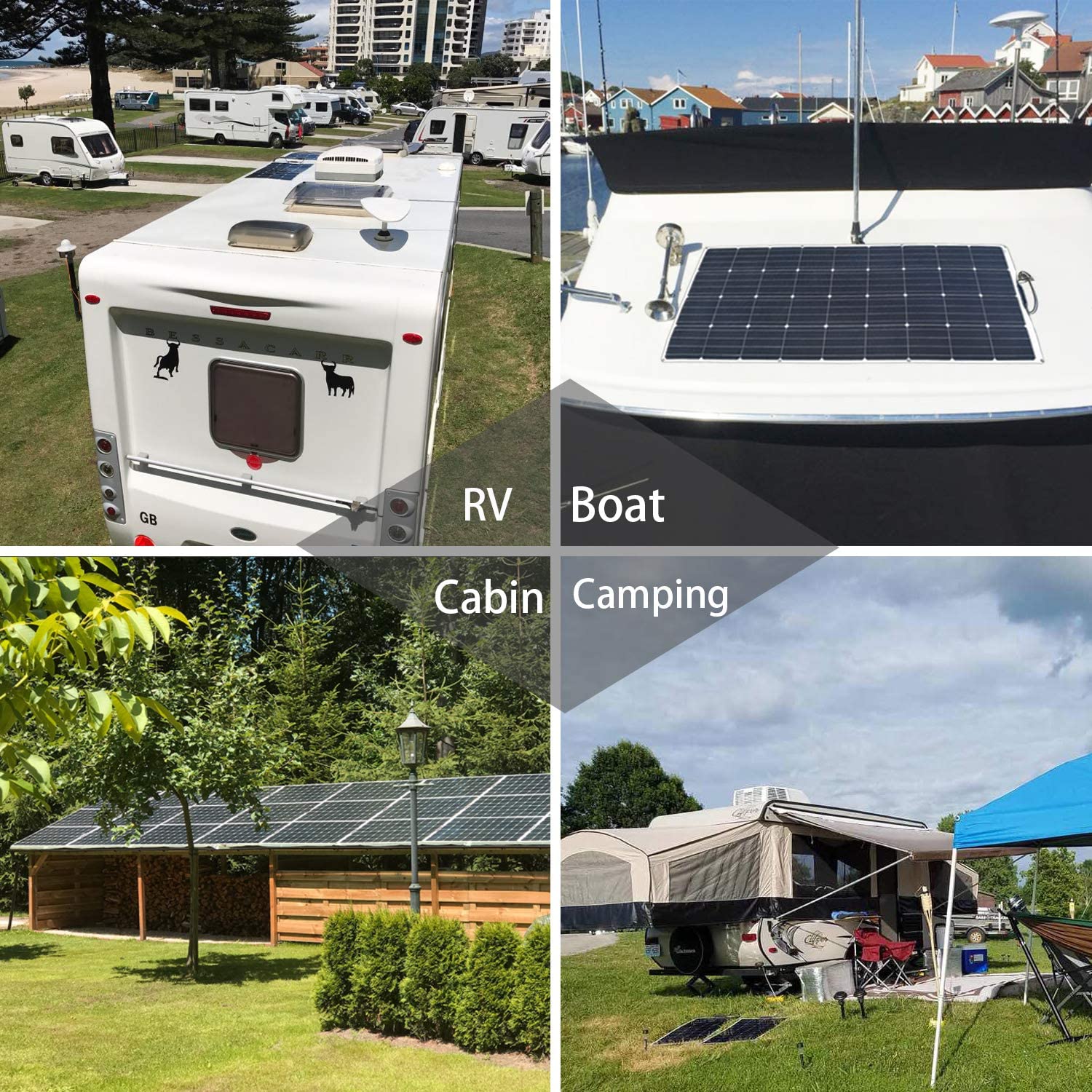
4. EASY TO INSTALL : Due to its lightweight and flexibility, installing solar flexible panels is usually easier, without the need for complicated brackets or fixtures.
Lightweight: Flexible solar panels are typically made of thin, lightweight materials that are lighter than traditional silicon-based solar panels. This makes them easier to handle, install and hang, reducing the labor intensity of installers.
Flexibility: Due to their soft nature, flexible solar panels can be bent and folded, making them easier to install on a variety of irregular or curved surfaces. Whether on curved roofs of buildings, curved surfaces of vehicles, tents or backpacks for outdoor activities, they can be flexibly applied.
Easy fixing: Flexible solar panels are usually fixed with easy fixing methods such as double-sided tape, adhesive or pressure-sensitive tape, without the need for complicated brackets or fixing devices. This saves installation time and costs, and does not damage the surface.
Modular design: Flexible solar panels are usually designed as a modular structure, which can be flexibly combined and installed as needed. This allows for a customized arrangement based on the specific installation site and power requirements, increasing installation flexibility and efficiency.
No Large Equipment Required: Compared to traditional silicon-based solar panels, flexible solar panels are usually installed without the use of large lifting equipment or specialized installation tools. This lowers the technical threshold for installation, making it easier for more people to complete the installation.
Adaptable: Flexible solar panels are more adaptable because they can be customized and installed to fit different surface shapes. Whether in buildings, vehicles, boats, or outdoor activities, they can be easily applied.
Flexible SOLAR Panel Disadvantages:
1. Higher cost: Flexible panels are typically more expensive to produce compared to traditional silicon-based solar panels, which may make them less competitive in some projects.
2. Durability issues: Flexible solar panels may not be as durable as traditional panels, especially in harsh environments (e.g., high temperatures or extreme cold) where their durability may be compromised.
Reasons why people prefer flexible solar panels:
1. Innovative and futuristic: solar flexible panels represent an innovative technology in the field of renewable energy and make people look forward to the future of energy utilization.
2. Wide applicability:The flexibility and customization of flexible solar panels make them suitable for a wide range of scenarios, including buildings, transportation, and outdoor activities, attracting a broad user base.
3. Environmental Awareness: As a representative of clean energy, flexible solar panels are in line with people's growing awareness of environmental protection, and are therefore favored by more and more people.
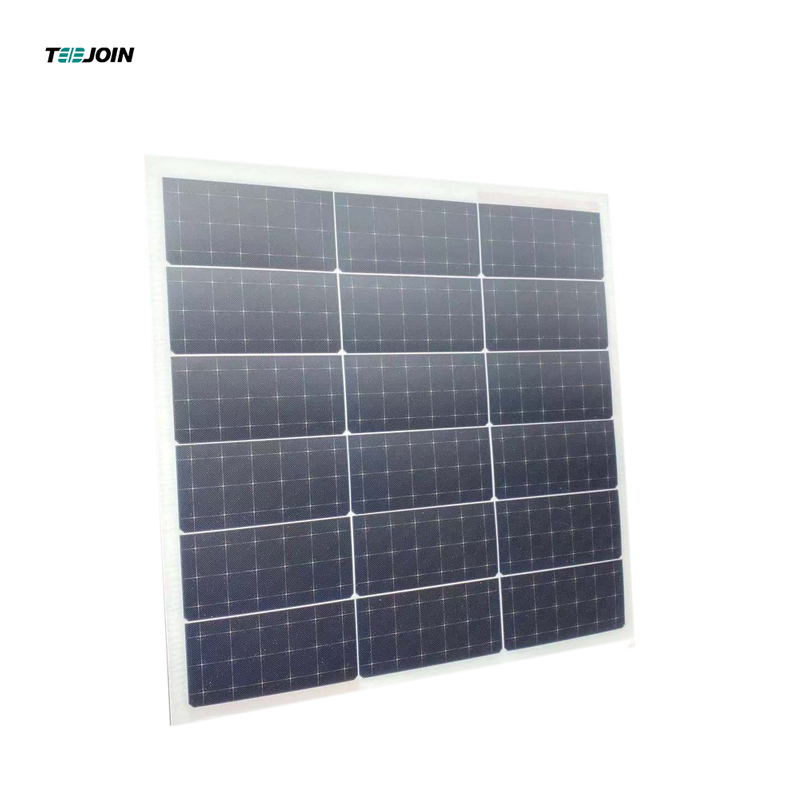
As TEEJOIN SOLAR POWER ENERGY, we are committed to providing customized and high-quality solar panel products to our global customers. We combine innovation and quality to provide the best solar energy solutions to our customers, and together we promote the development of renewable energy and contribute to the future of the planet.