
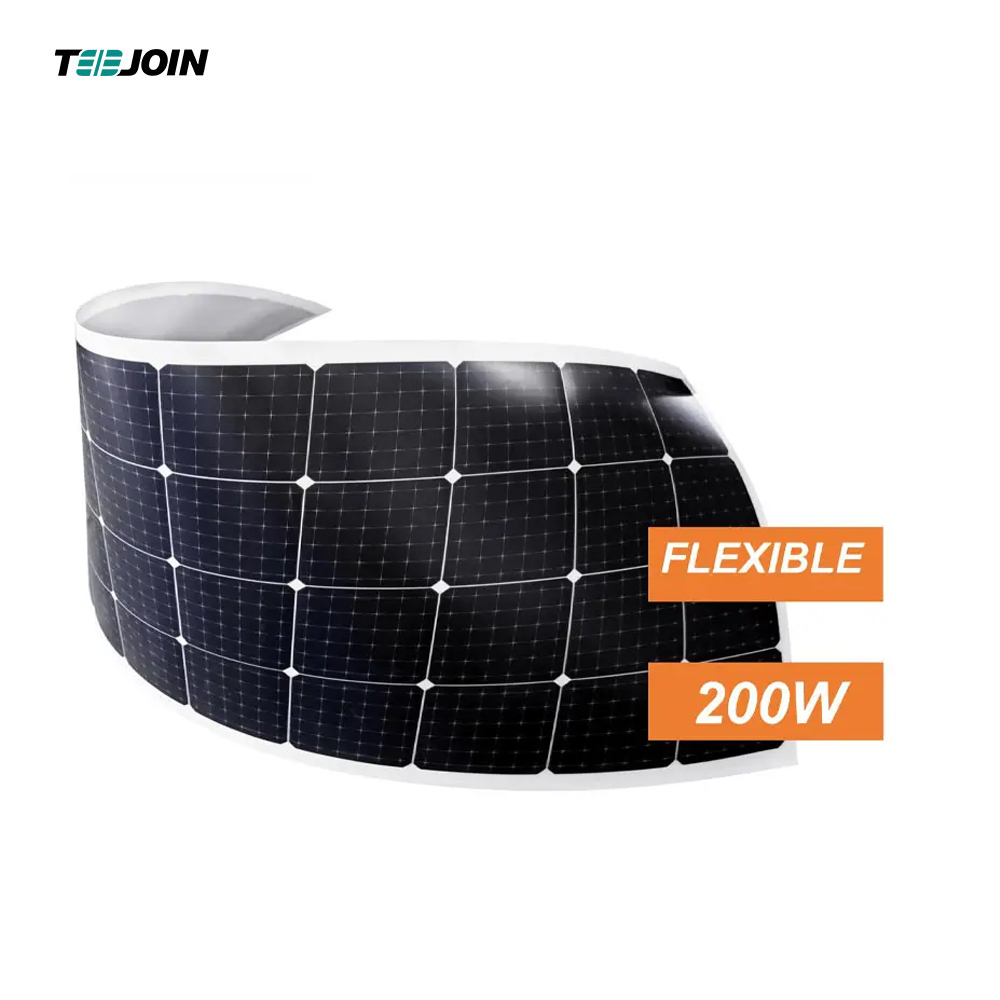


How to set up a home villa solar system and underfloor heating system
Installation of an "air source heat pump" system and a rooftop solar system on the exterior;
Installation of a fuel furnace system on the 1st floor of the building;
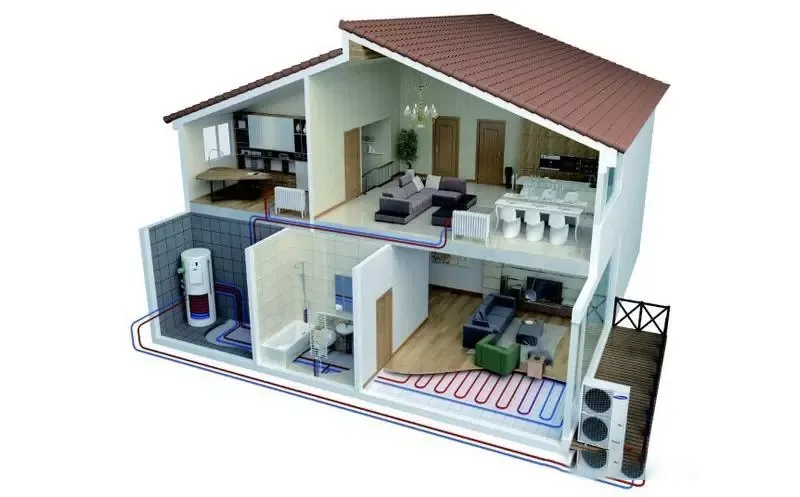
Installation of a boiler heating system in the indoor basement, as well as a heat exchange hot water storage tank, which is the processing center for all types of heating systems;
Integrated system providing floor heating (including floor heating, ceiling heating, vertical radiators) and providing domestic hot water.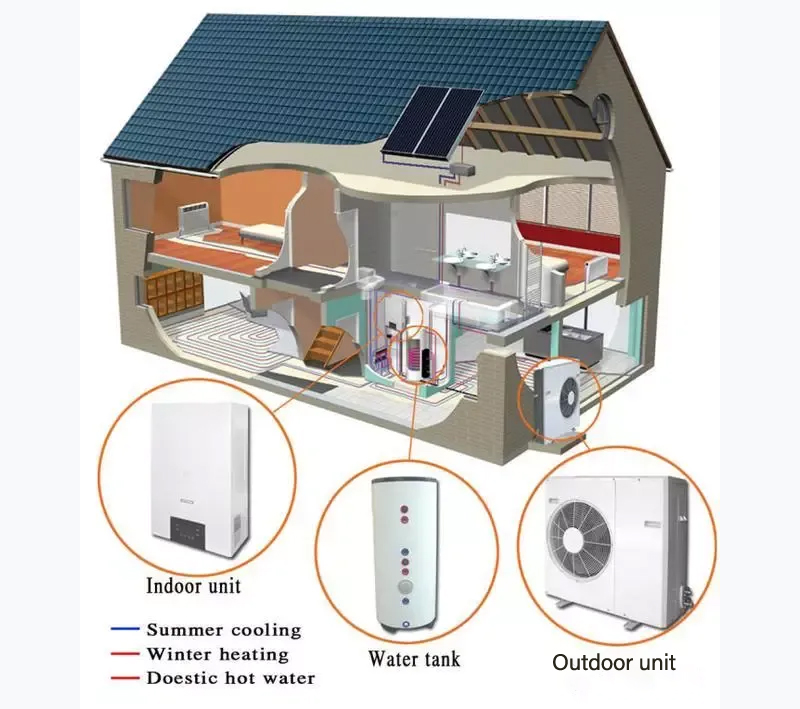
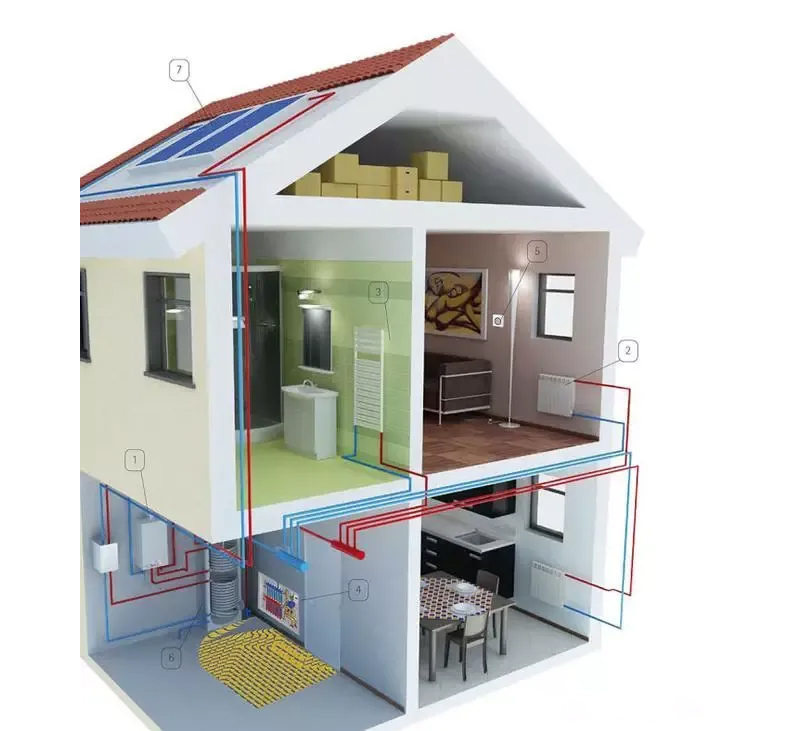
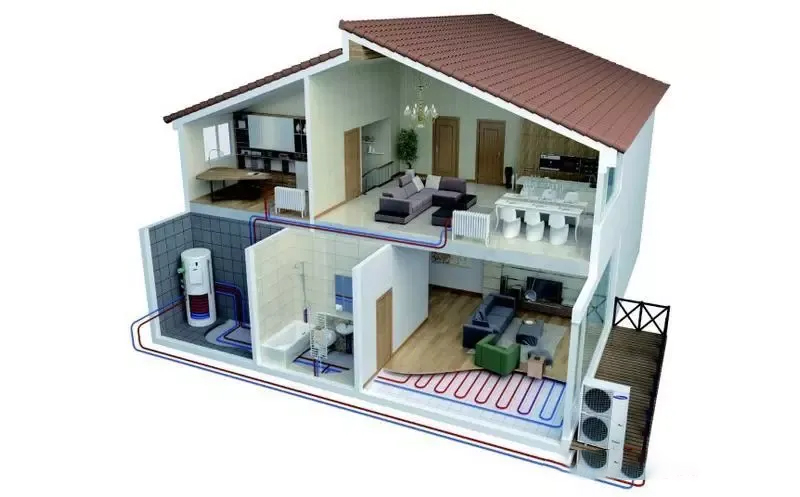
Heat production using a boiler system burning wood pellet fuel, together with heat production from a rooftop solar collector system, is used in a comprehensive manner for indoor heating (floor heating, wall heating) and providing domestic hot water in winter.
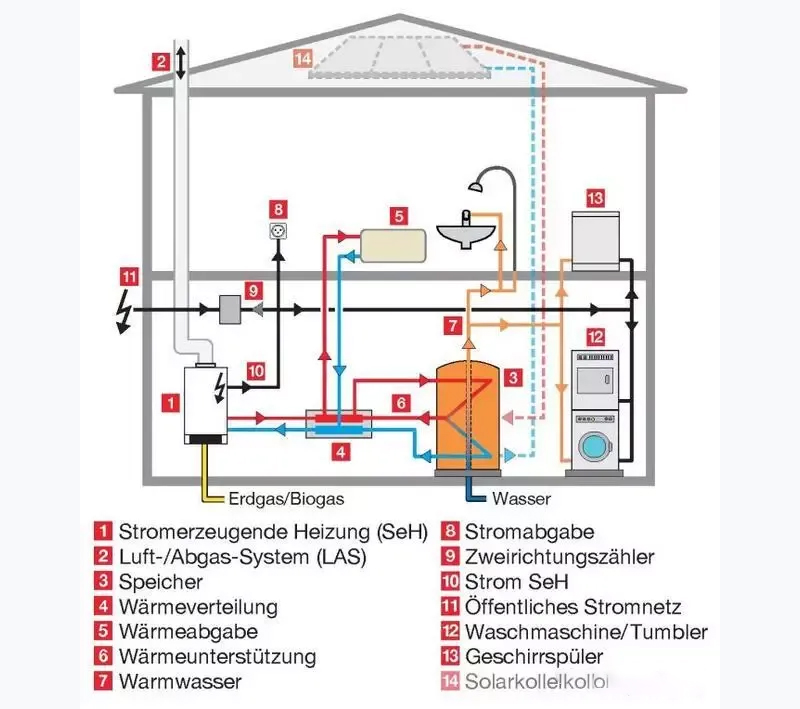
Combined electric heating system and solar collector panel system for winter heating and provision of domestic hot water
Stromerzeugende Heizungen (SeH) (electric heating system)
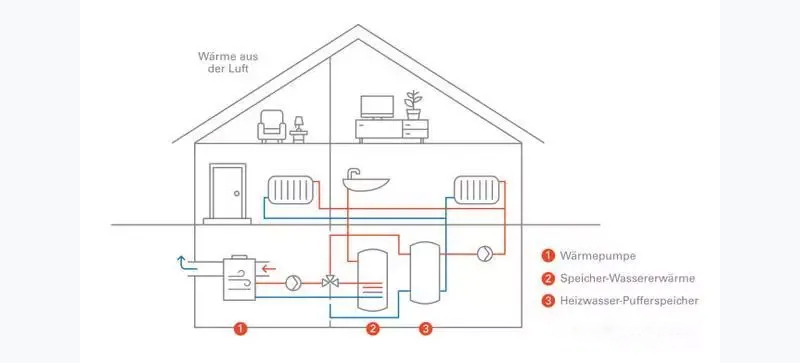
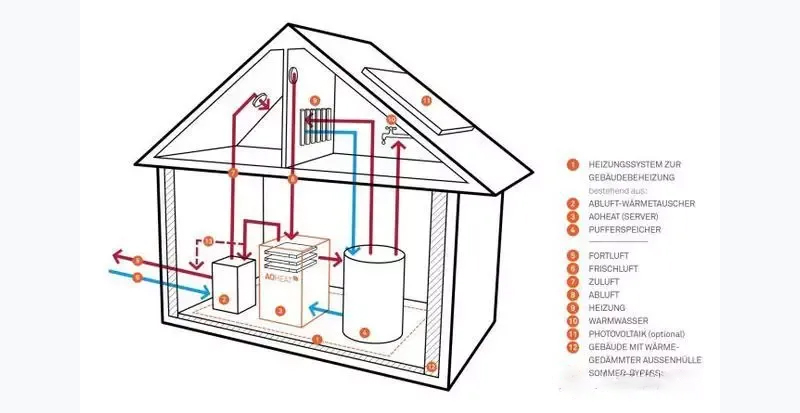
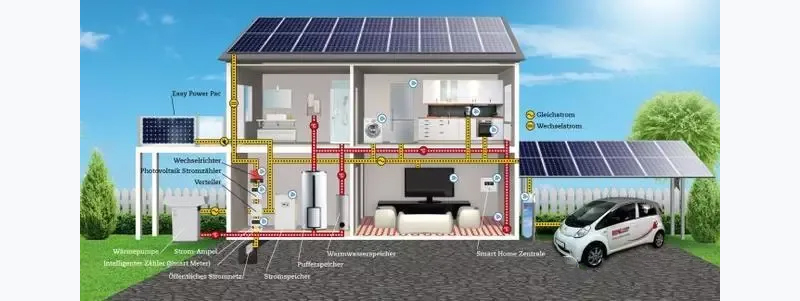
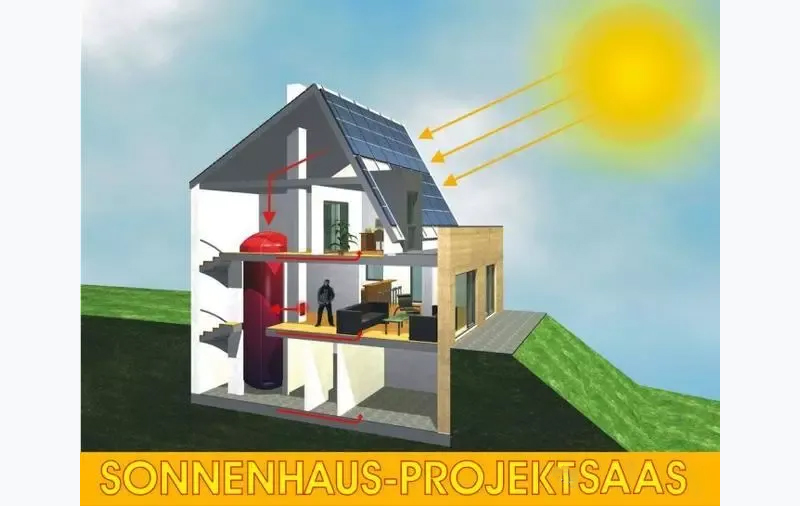
A large solar collector system is installed on the roof and a giant heat exchange hot water storage tank is installed indoors.
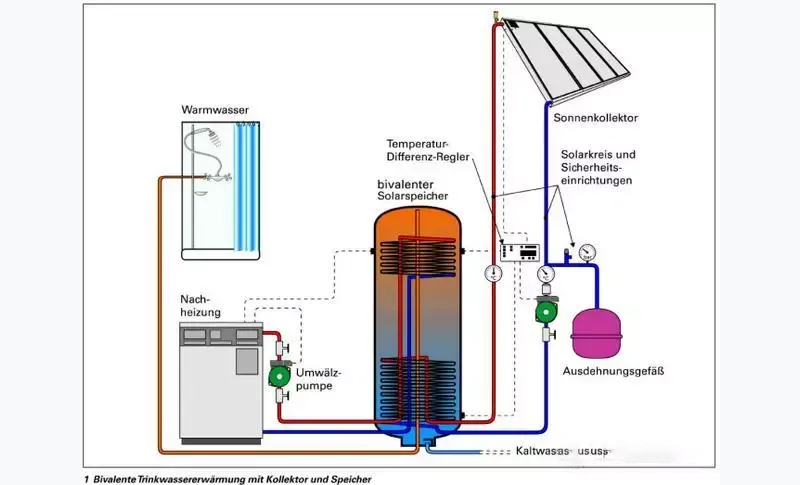
Rooftop solar collector systems with other forms of heat producing boilers are used in combination to produce domestic hot water in heat exchange hot water storage tanks.
Bivalente Trinkwassererwärmung mit Kollektor Speicher (dual-mode domestic water heating with collector memory)
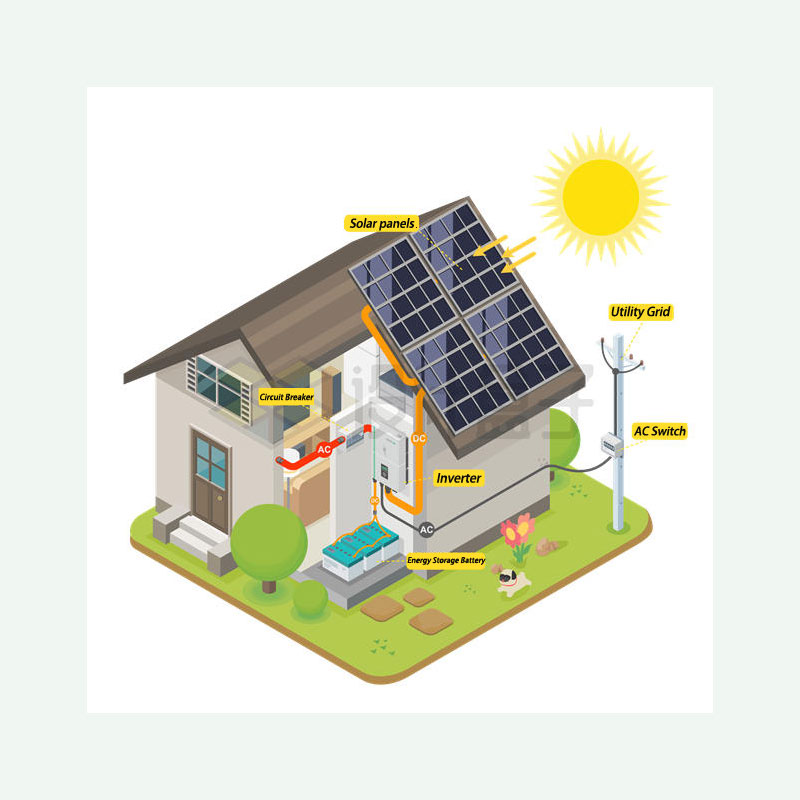
The advantages of solar roofing systems and the accessories required for solar roofing systems.
A solar roof system is a type of solar energy system that involves installing solar panels on the roof of a building or home. Some advantages of a solar roof system include:
Energy savings: A solar roof system can significantly reduce or even eliminate a homeowner's electricity bills by generating clean, renewable energy from the sun.
Environmentally friendly: Solar energy is a clean and renewable source of energy, which helps to reduce greenhouse gas emissions and combat climate change.
Increased home value: A solar roof system can increase the value of a home, as it is an attractive feature for potential buyers and can provide a competitive edge in the real estate market.
Long lifespan: Solar panels are durable and have a long lifespan, typically lasting 25-30 years or more, with minimal maintenance.
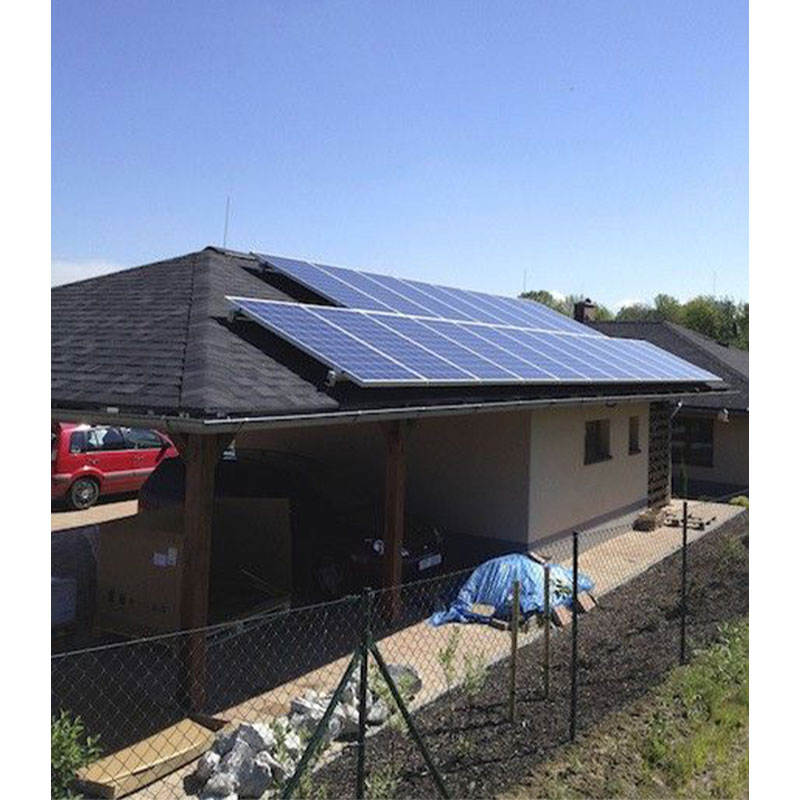
The materials required for a solar roof system include:
Solar panels: The most important component of a solar roof system are the solar panels themselves, which convert sunlight into electricity.
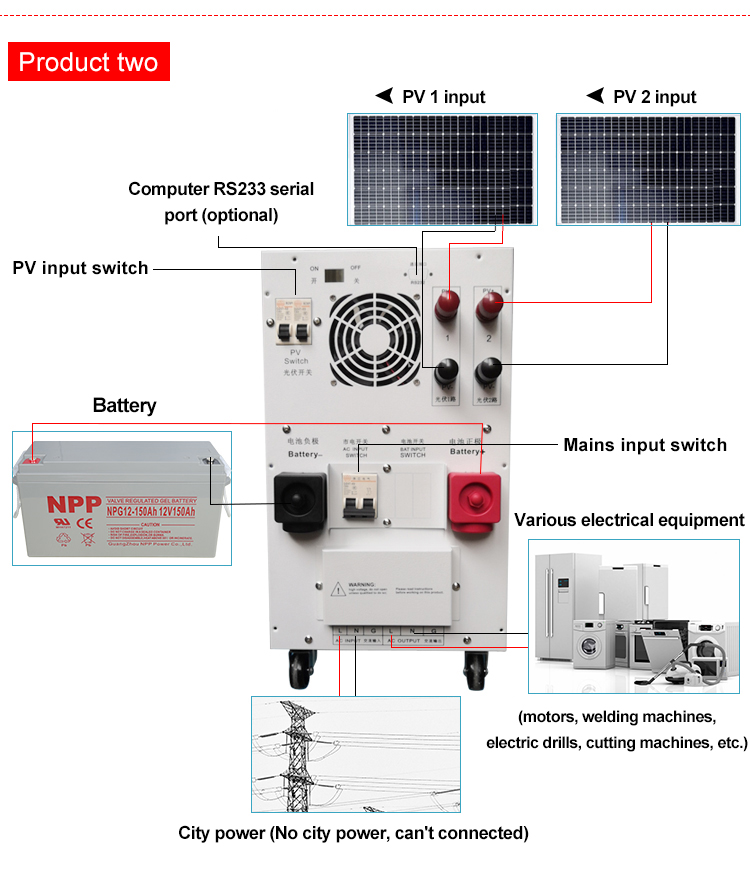
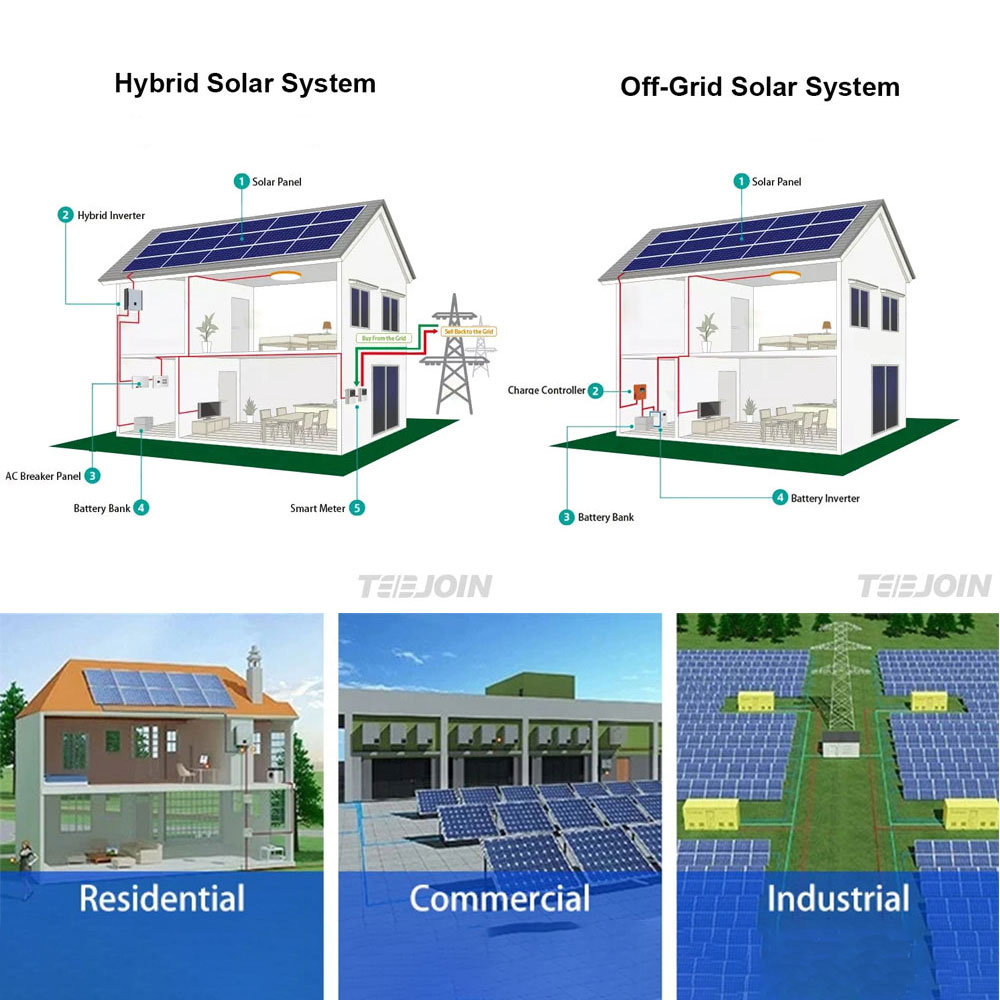
Inverter: The inverter is responsible for converting the direct current (DC) electricity produced by the solar panels into usable alternating current (AC) electricity.
Mounting system: A mounting system is used to secure the solar panels to the roof, ensuring they are installed safely and securely.
Wiring: Wiring is used to connect the solar panels to the inverter and to the electrical panel in the home.
Electrical panel: The electrical panel is used to distribute the solar-generated electricity throughout the home and to the grid.
Monitoring system: A monitoring system can be installed to track the performance of the solar roof system and identify any issues or malfunctions.
More Product Picks
Follow us ! TEEJOIN SOLAR


