

How do I use an inverter to connect a solar panel to power a light bulb in my home?
In practice, we need to choose the right equipment for our needs and to install and use it correctly.
Here we will describe how to use an inverter to connect a solar panel to meet the power needs of a household light bulb. Our steps are as follows:
1. Shop for an inverter and solar panel
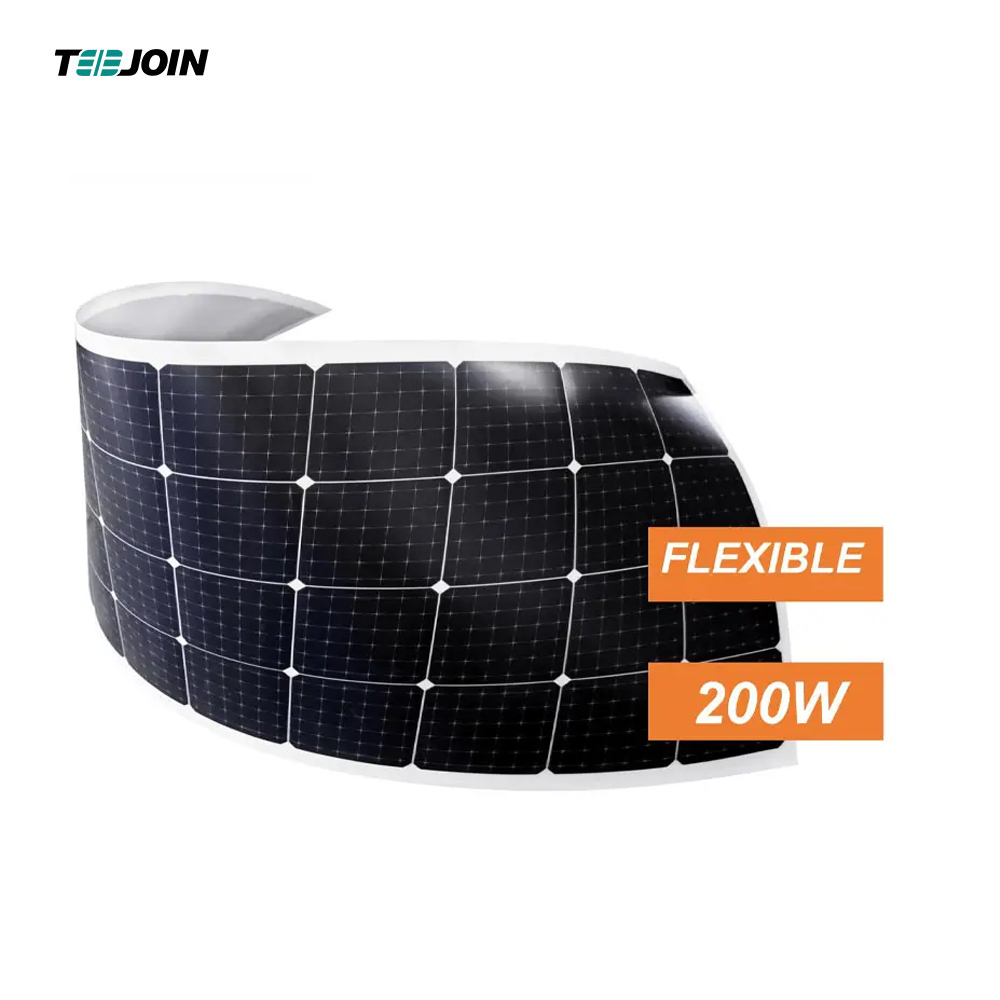
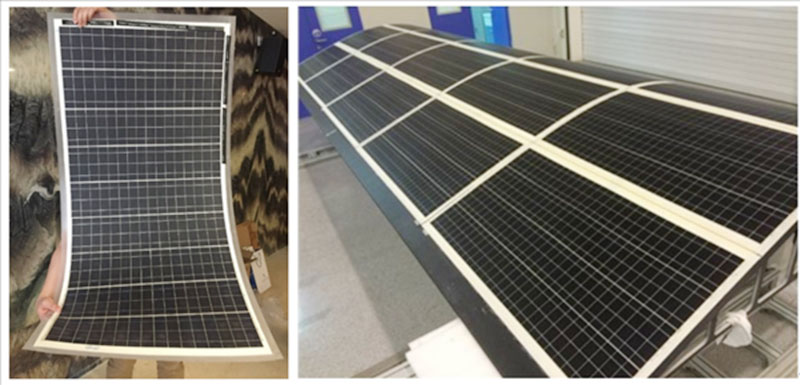
The inverter is the key device used to convert the DC power captured by the solar panel into mains AC power. Therefore, when shopping for an inverter, you need to consider its output power, voltage, frequency, efficiency and other relevant parameters and choose an inverter that is compatible with the solar panel to ensure that it can provide a stable supply of electricity. At the same time, we also need to purchase solar panels that are suitable for home use. Factors such as the size and capacity of the solar panel will affect its output of electricity. Generally speaking, smaller solar panels are suitable for supplying small loads such as household lamps and small appliances, while larger solar panels can be used for more versatile purposes such as agricultural production, construction sites, remote communications and disaster relief.
2. Installing solar panels
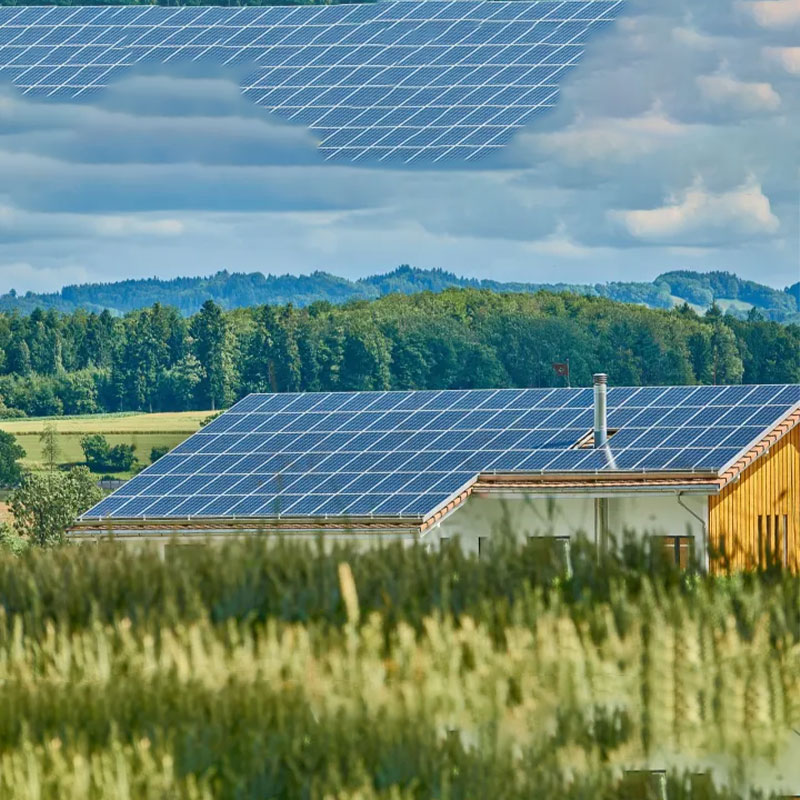
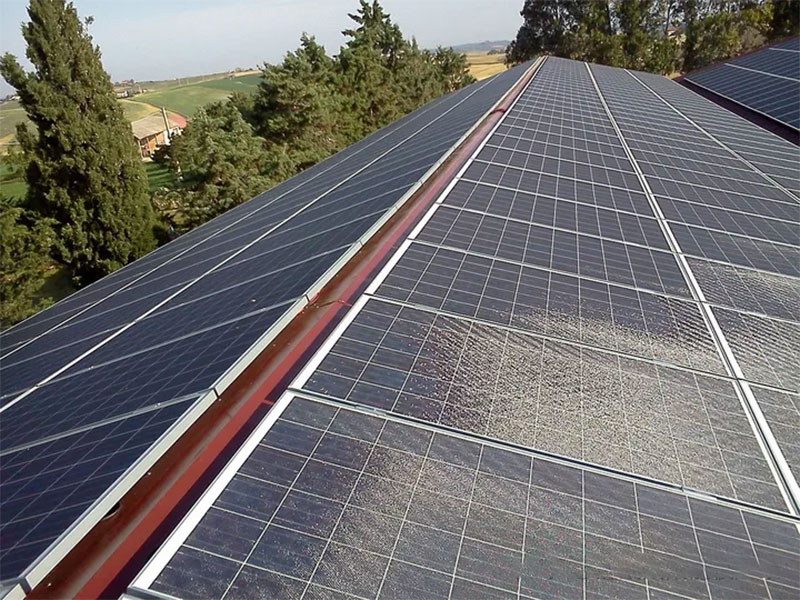
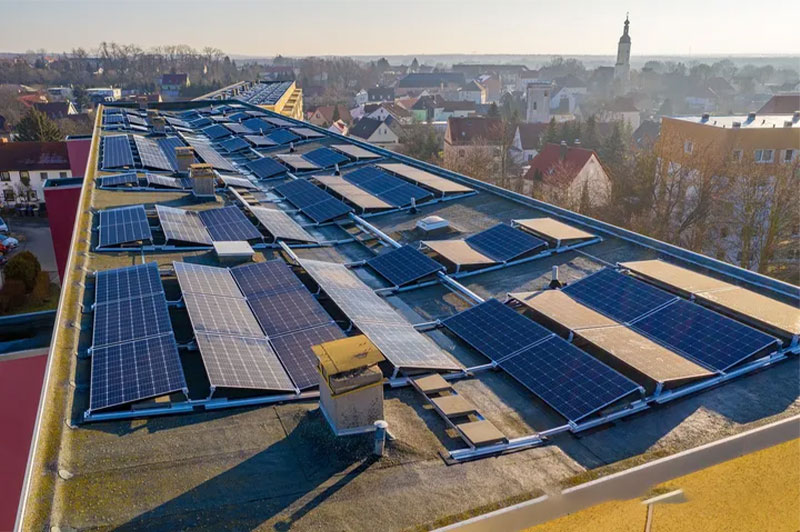
Solar panels need to be installed in a sunny location, such as a roof, terrace or yard. It is important to ensure that the solar panels are in a stable and sturdy position before installation and to avoid installing them in areas where trees or buildings block the sunlight, as this may affect the power output and the effectiveness of the use.
3. Connecting the inverter to the solar panels
Before connecting the inverter to the solar panel, make sure that the parameters of the two match. Generally speaking, the positive and negative terminals of the inverter need to be connected to the positive and negative terminals of the solar panel. Further connect the AC terminal of the inverter to the circuit of your home so that the DC energy obtained from the solar panel can be converted into AC energy to supply electricity to your home through the inverter.
4. Test the working status of the inverter and solar panel
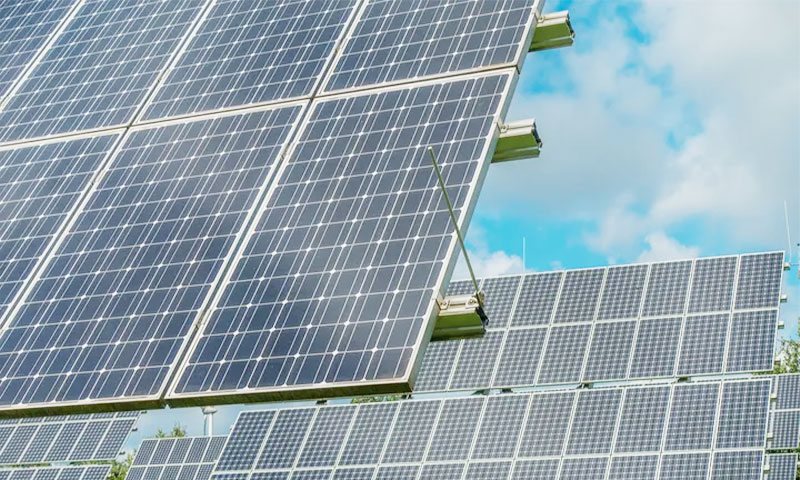
After connecting the inverter and solar panel, it is necessary to test their working status. We can use a multimeter or a special solar cell test instrument to check their voltage, current, temperature and other parameters. If any abnormalities occur, you can refer to the relevant operating manual for maintenance.
The inverter is the key device for converting the direct current captured by the solar panels into mains alternating current. Using an inverter to connect the solar panels to the home circuit enables a continuous and reliable supply of electricity to loads such as household light bulbs. During the selection, installation and commissioning process, it is important to pay attention to the operating instructions and ensure that the equipment is properly maintained and serviced on a regular basis to prolong its life and improve its efficiency. For more solar panel related knowledge, welcome to follow us.