
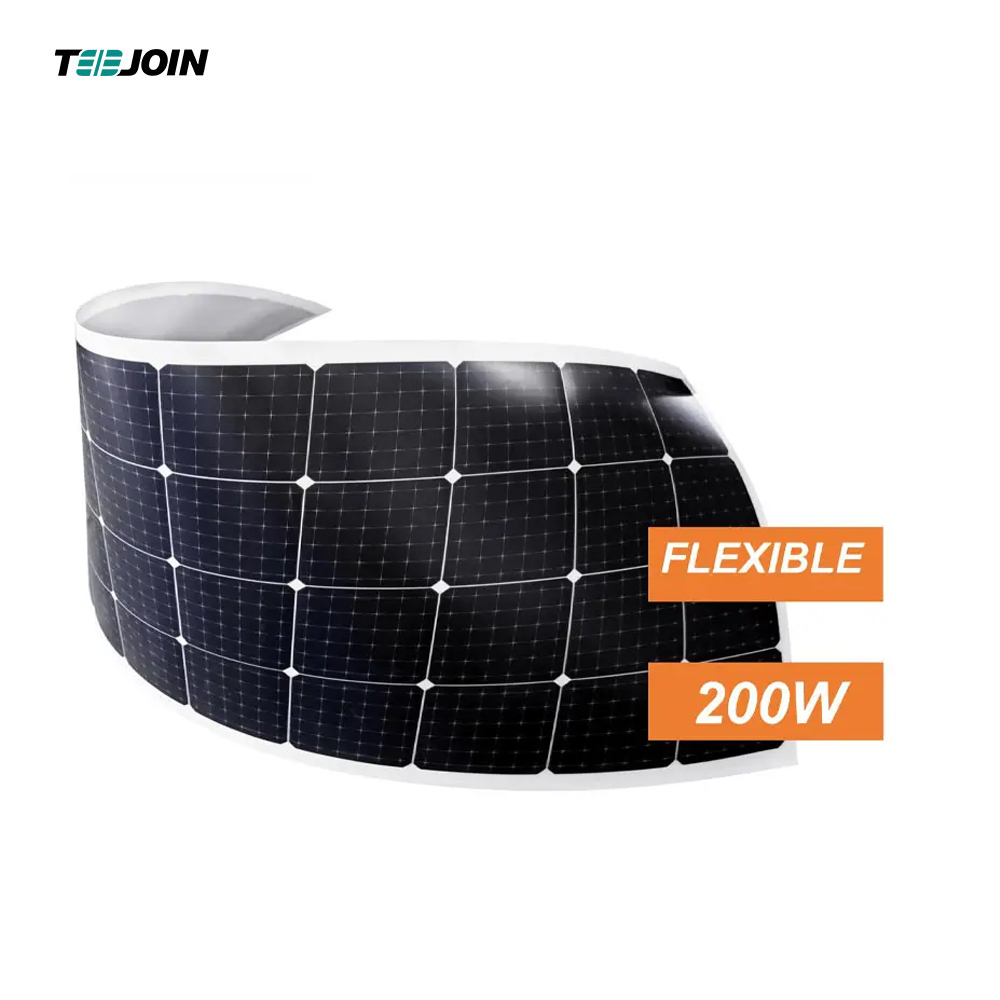


How solar energy systems work in our lives
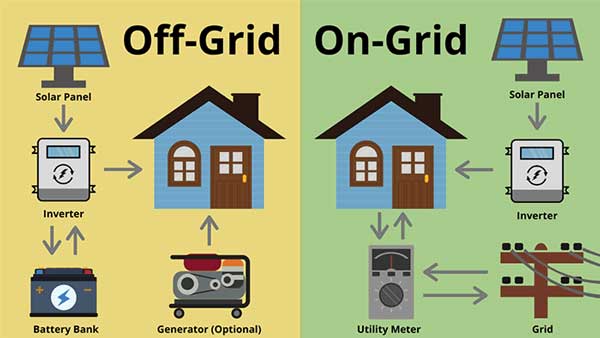
Solar systems are a sustainable and efficient way to generate electricity. These systems harness the power of the sun to generate electricity, which can be used to power homes and businesses.
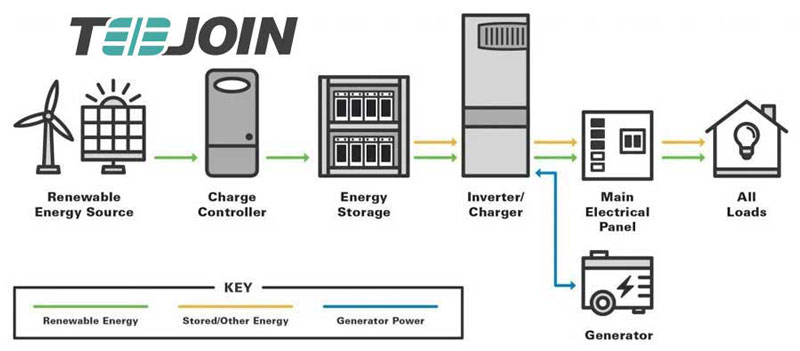
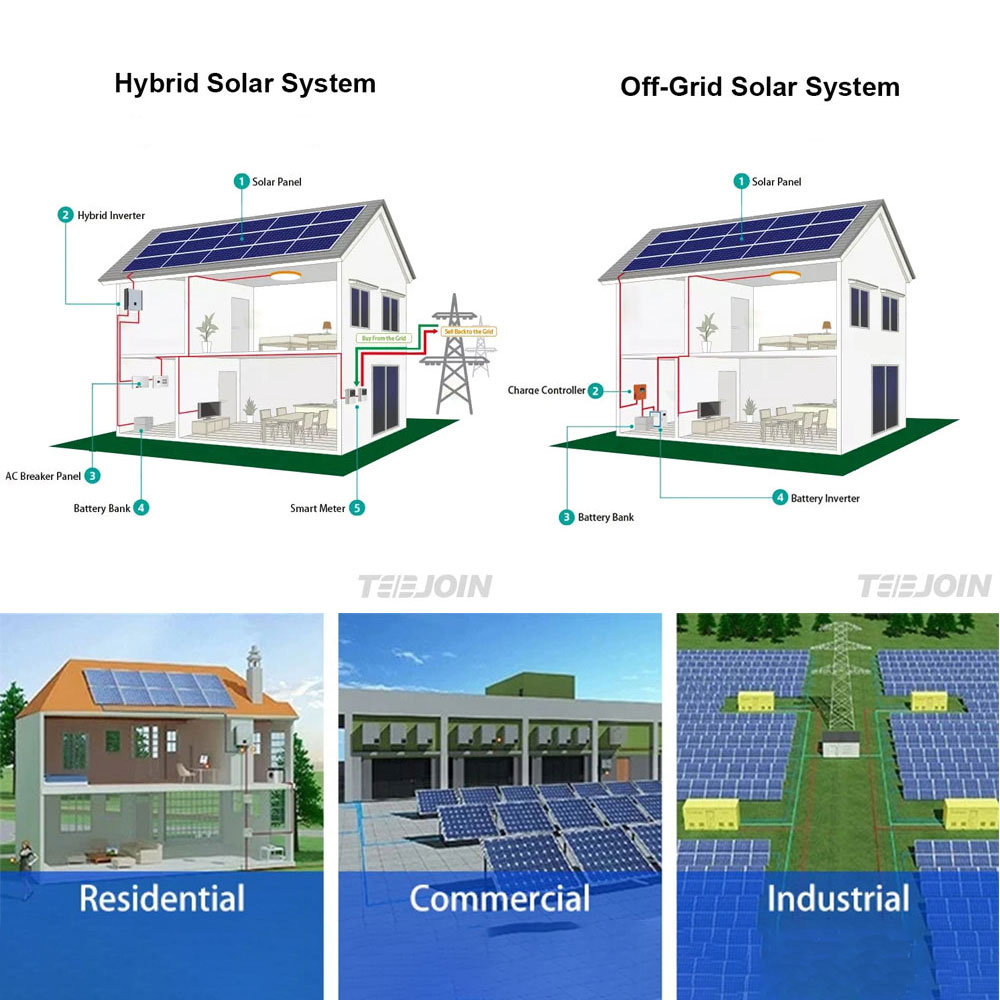
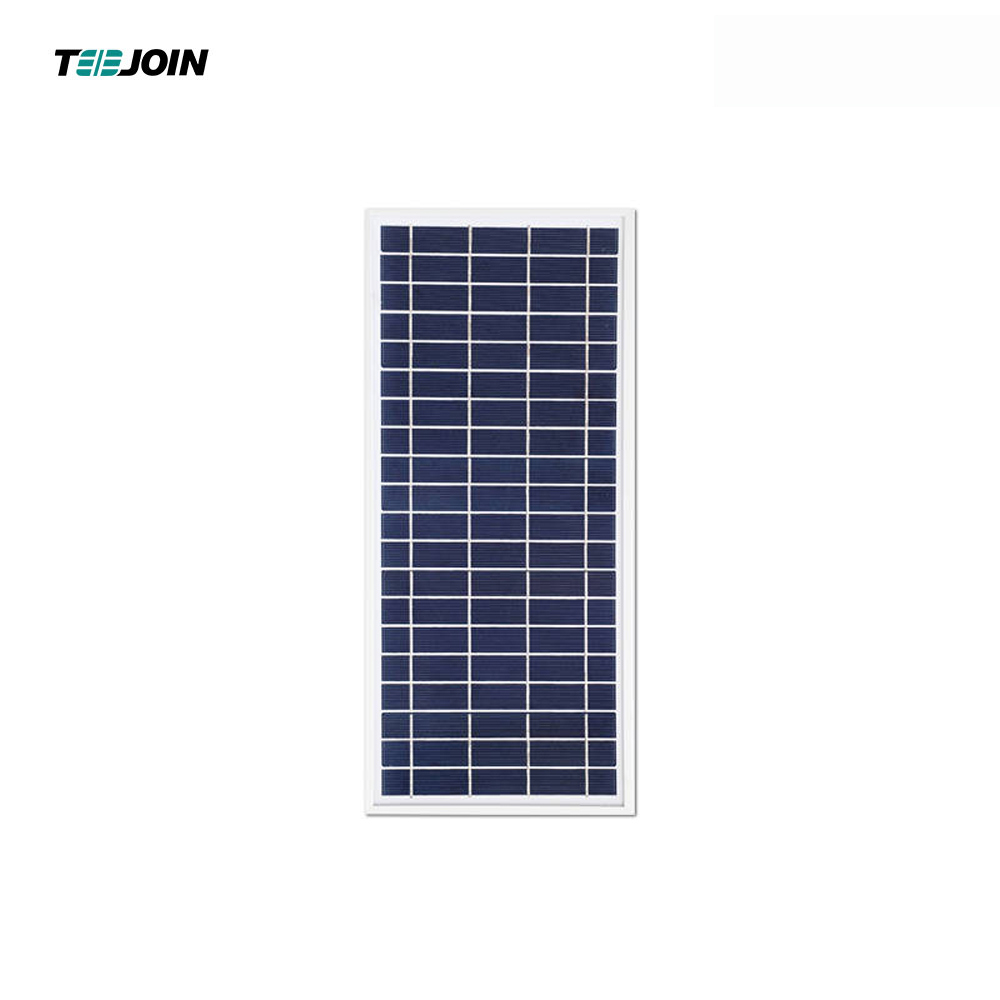
The solar system consists of several components, including solar panels, an inverter, and a battery. The solar panels are installed on the roof or on the ground and are responsible for capturing the sun's energy. The panels are made up of photovoltaic cells, which convert sunlight into direct current (DC) electricity.
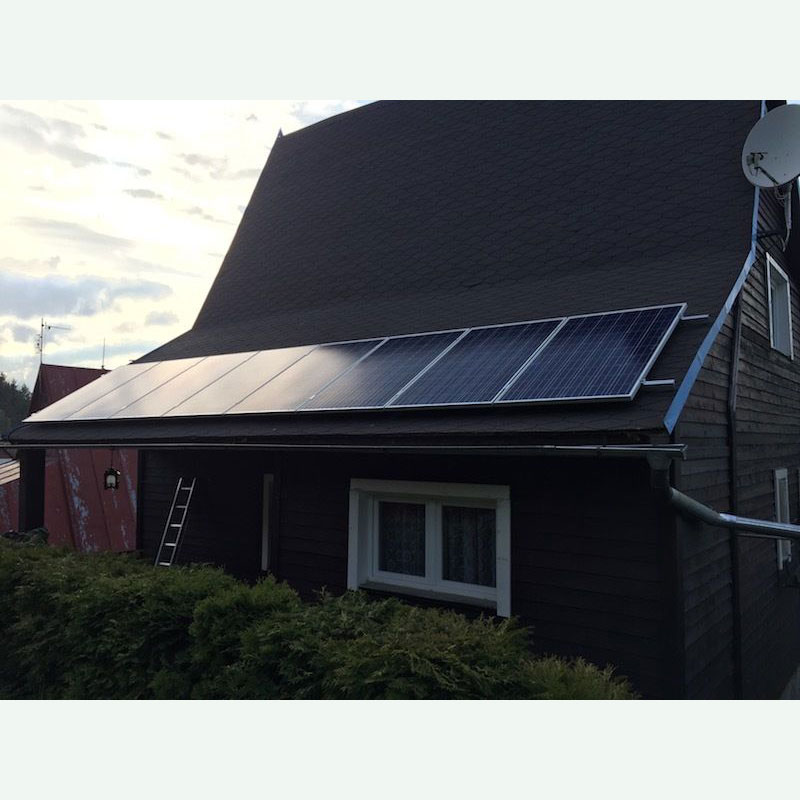
The inverter is the component that converts the DC electricity produced by the panels into alternating current (AC) electricity, which is the type of electricity that is used in homes and businesses. The inverter is also responsible for monitoring the system's performance and ensuring that it is functioning properly.
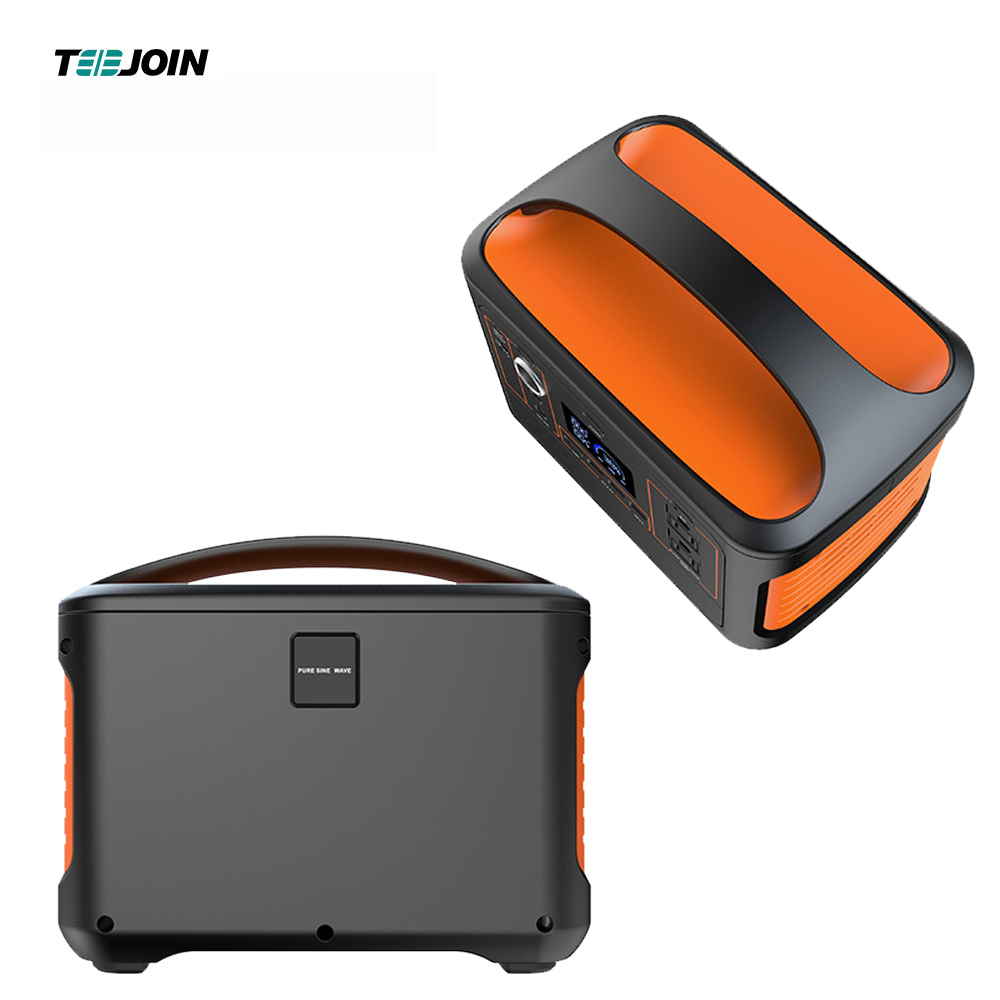
The battery is an optional component of the solar system that can be used to store excess energy produced by the panels. This stored energy can be used during times when the sun is not shining, such as at night or on cloudy days.
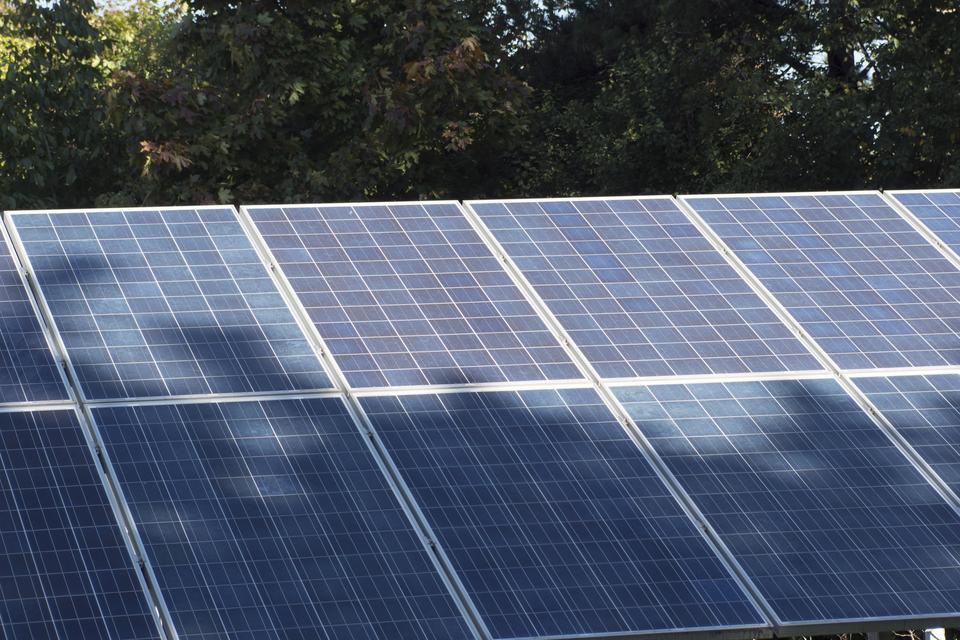
When the solar panels are exposed to sunlight, they generate electricity that flows through the inverter and into the electrical grid or into the home or business where it is used to power lights and appliances. Any excess electricity produced by the panels can be stored in the battery for later use.
Overall, solar systems are a reliable and sustainable way to generate electricity. They are becoming increasingly popular as people look for ways to reduce their carbon footprint and save money on their energy bills. With a solar system, you can enjoy the benefits of clean, renewable energy and take a step towards a more sustainable future.

More Product Picks

Follow us ! TEEJOIN SOLAR


