
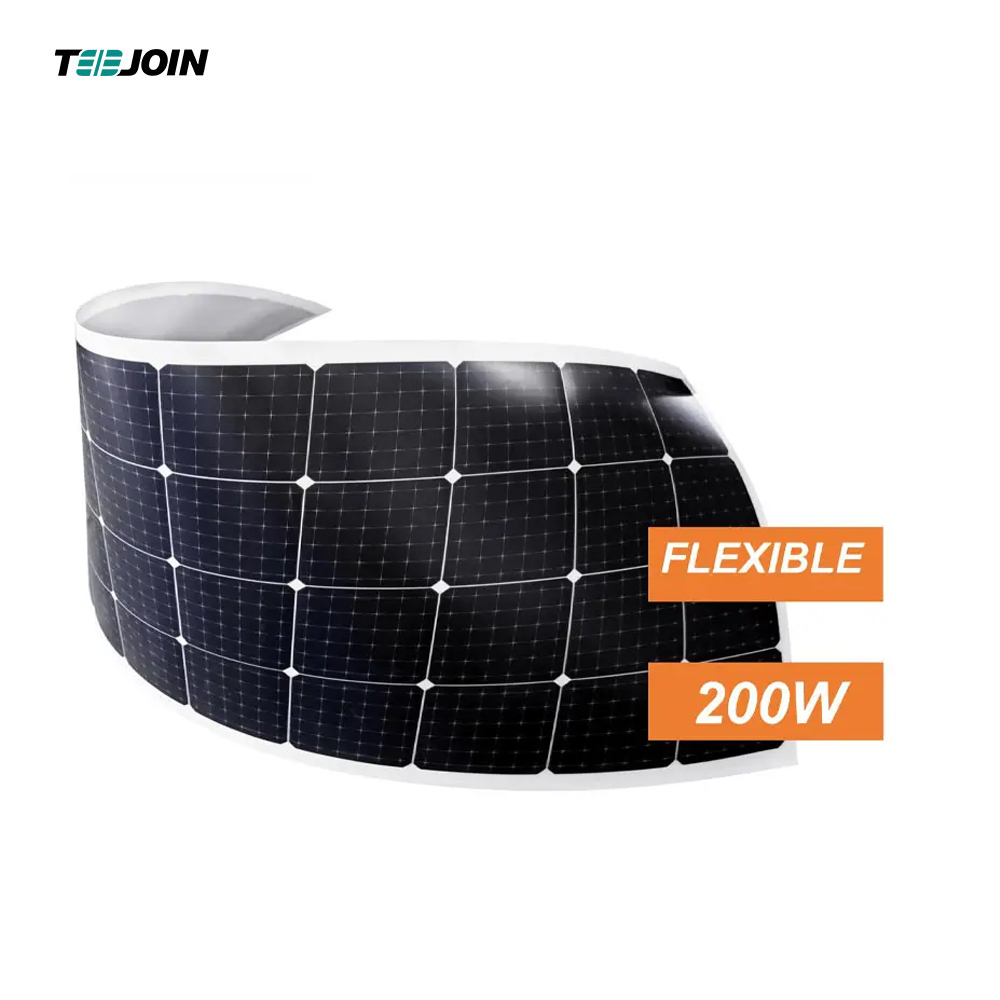


Understanding how solar panels work And Steps?
How Solar Panels Work ?
The working process of a solar panel can be divided into the following steps:
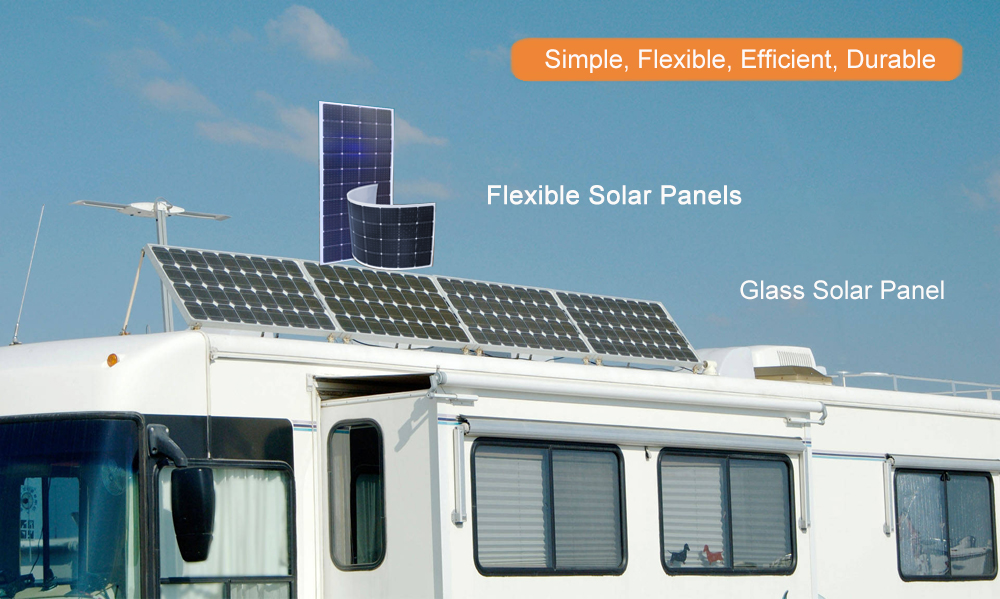
Absorption of solar energy: solar panels absorb sunlight through the solar cells inside. Most of the solar cell sheet monocrystalline,
polycrystalline-based, usually dark blue color or blue, monocrystalline solar cell sheet conversion efficiency is usually to be higher
than polycrystalline silicon solar cell sheet.
Generate current: The absorbed sunlight shines on the semiconductor material of the solar panel, resulting in a voltage difference
across the PN junction, which creates an electric current.
Collecting current: The generated current is collected by a collector and then transferred to electronic devices through the solar
panel's connecting wires.
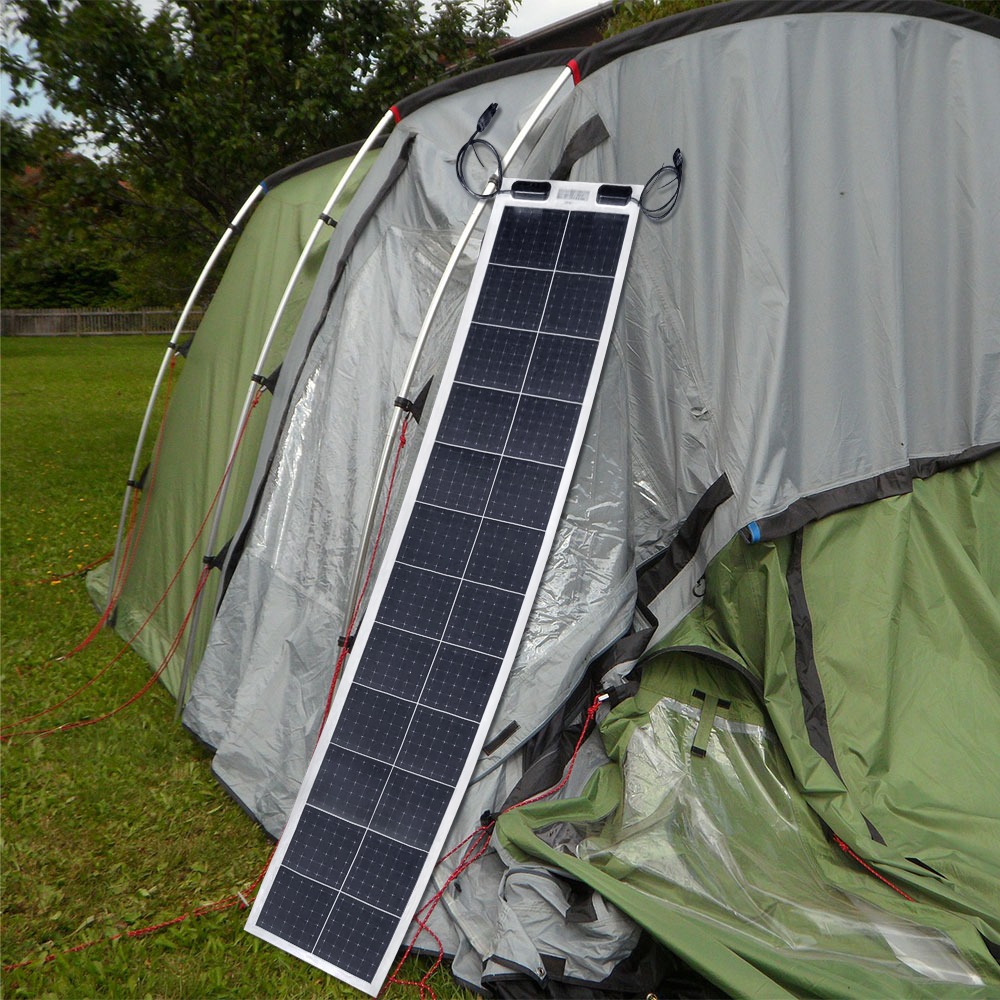
The structure of solar panel is mainly composed of the following parts:
Semiconductor material (solar cell sheet): this is the core part of the solar panel, usually made of silicon, selenium, copper, etc.,
which converts sunlight into electric current
Collector electrode: this is the metal electrode used to collect the current.
Conductors: These are used to transmit the collected current.
Support structure: this is used to support the solar panel.
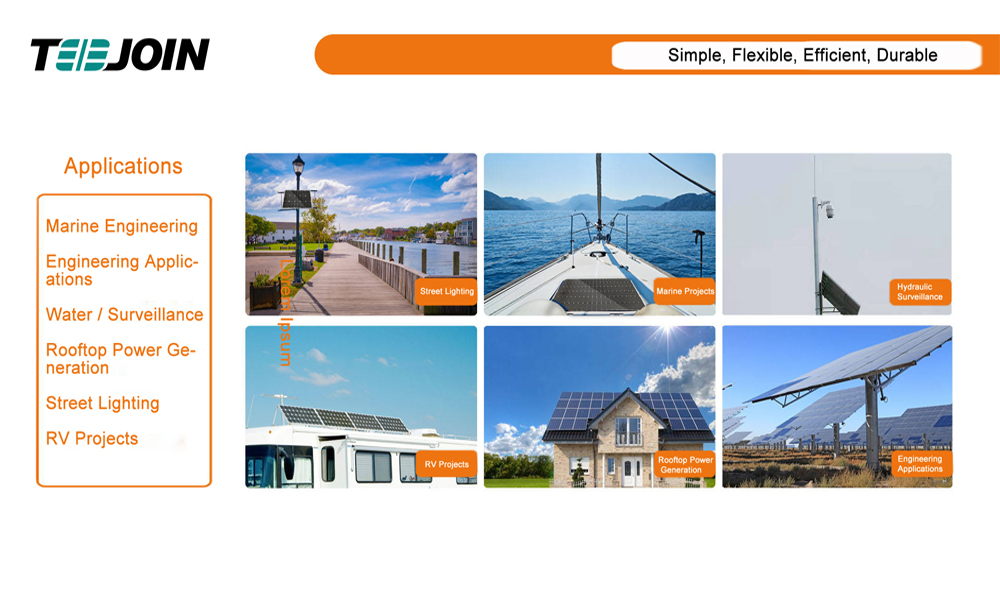
Meanwhile, solar panels are used in a wide range of applications, such as providing power to a variety of electronic devices such
as lamps, televisions, computers, refrigerators, and so on, in the home, commercial, and industrial sectors. In addition, solar panels
can also be used to power electric vehicles, satellites, etc.
With the continuous development of technology, the efficiency of solar panels continues to improve and the cost continues to
decrease, so their application prospects are very broad. In the future, with the continuous development and promotion of renewable
energy, the application of solar panels will be more extensive.
Want to know more about solar panels related knowledge welcome to pay attention to us!