

What are the components of a Solar Power System?
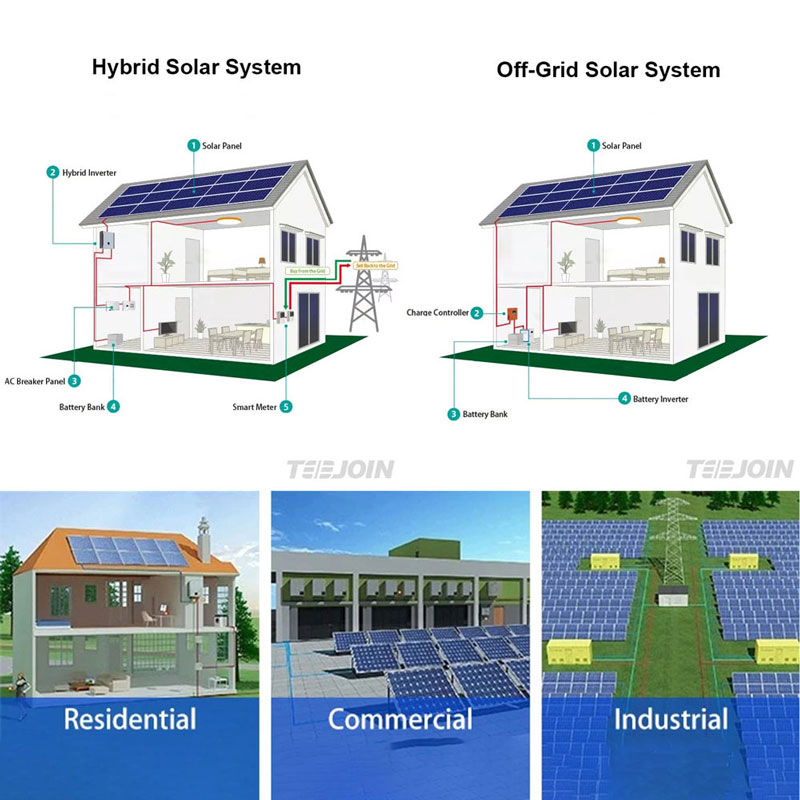
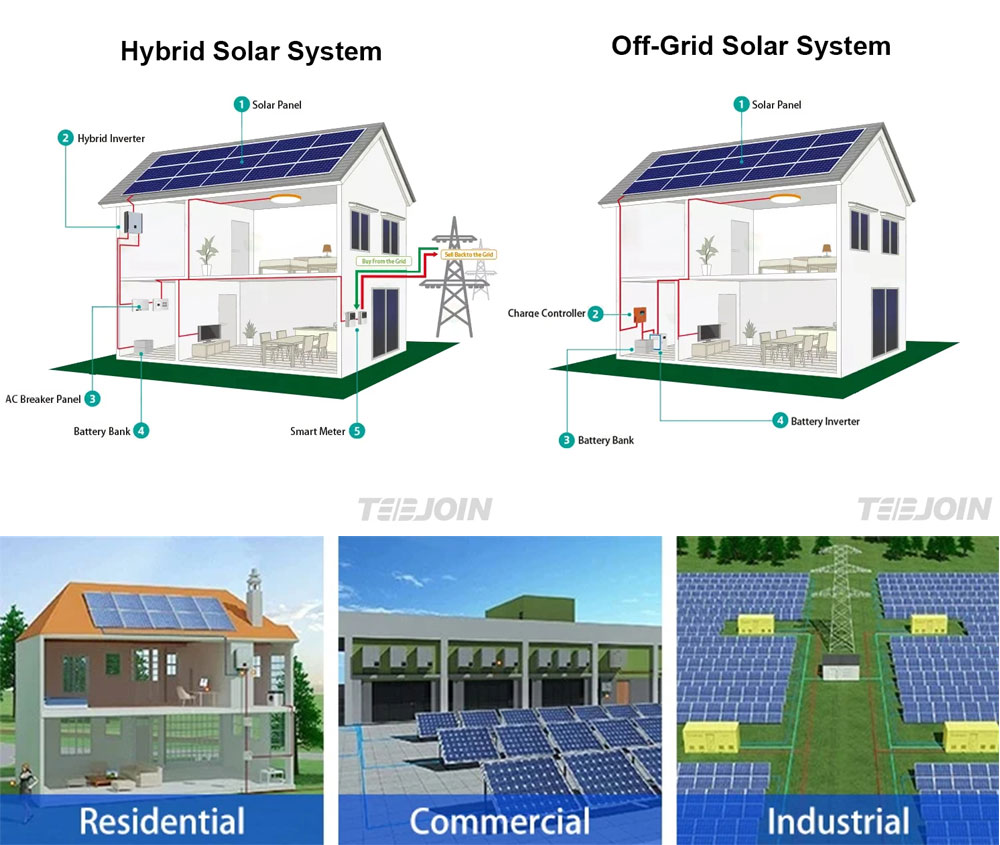
A solar power system, also known as a solar energy system or photovoltaic system, is a setup that harnesses sunlight and converts it into electricity. These systems typically consist of several key components:
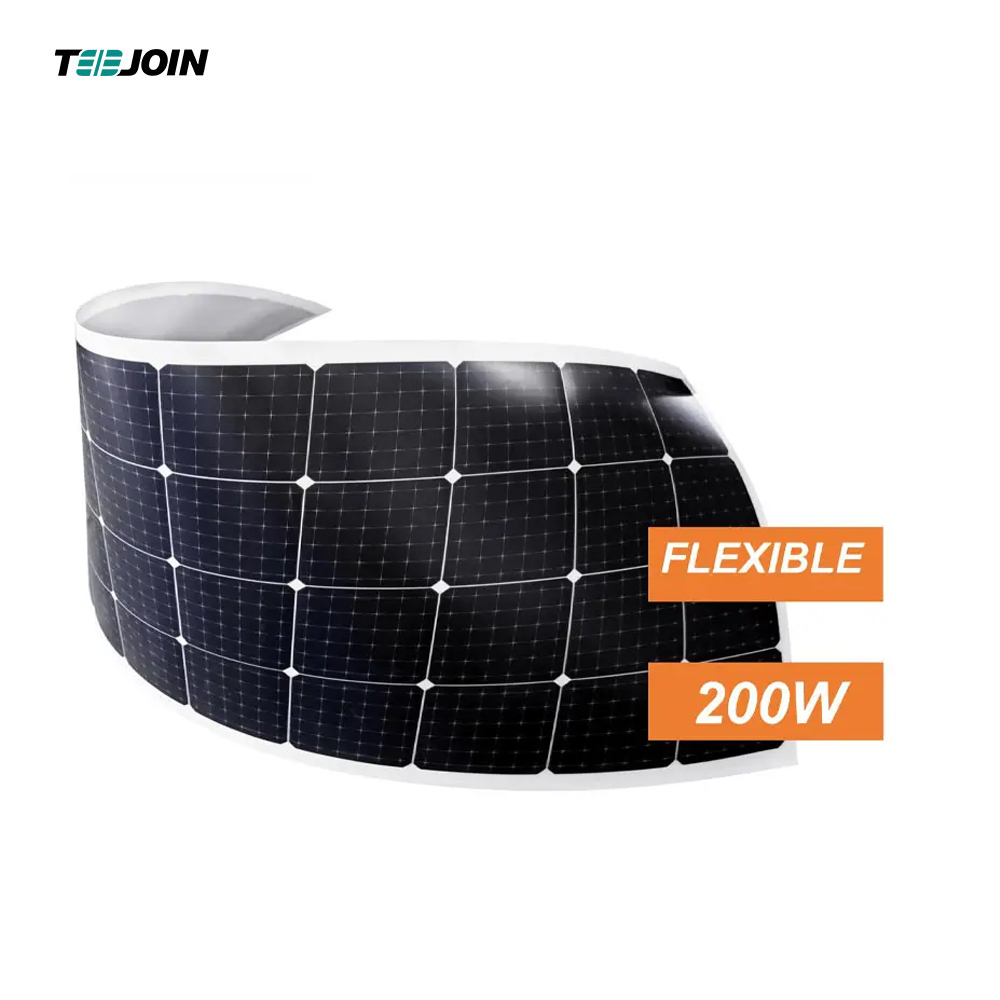
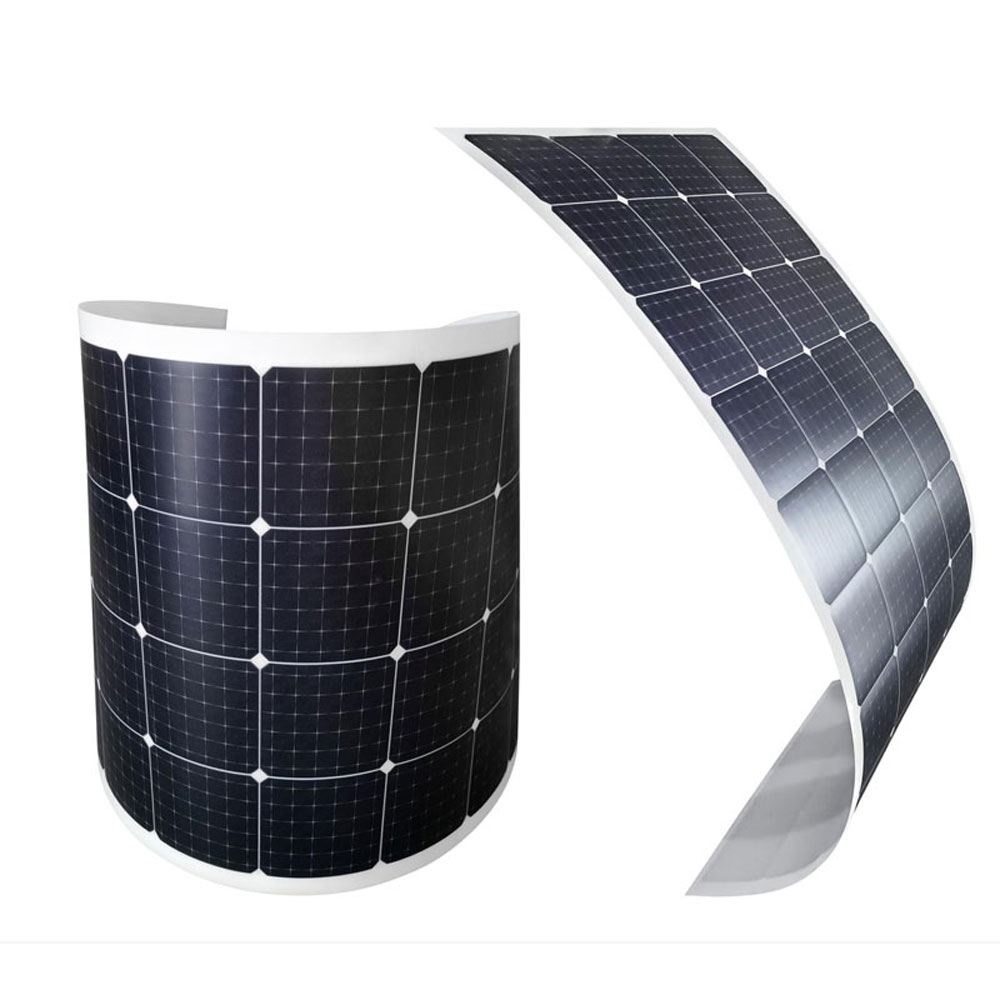
Solar Panels Flexible(Photovoltaic Modules):
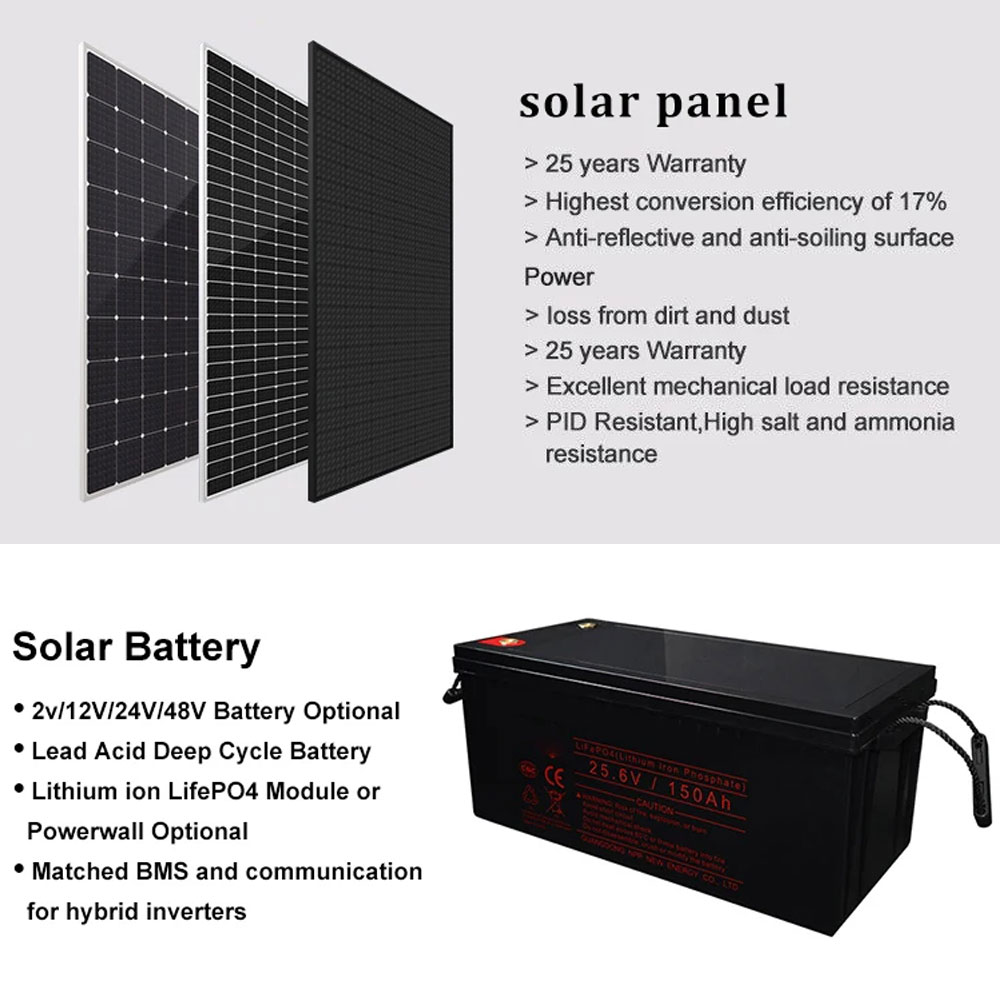
Solar panels are the primary component of a solar power system. These panels contain solar cells that capture sunlight and convert it into direct current (DC) Solarelectricity.
The DC electricity generated by the solar panels needs to be converted into alternating current (AC) electricity, which is the type of electricity used in homes and businesses. An inverter is used to perform this conversion.
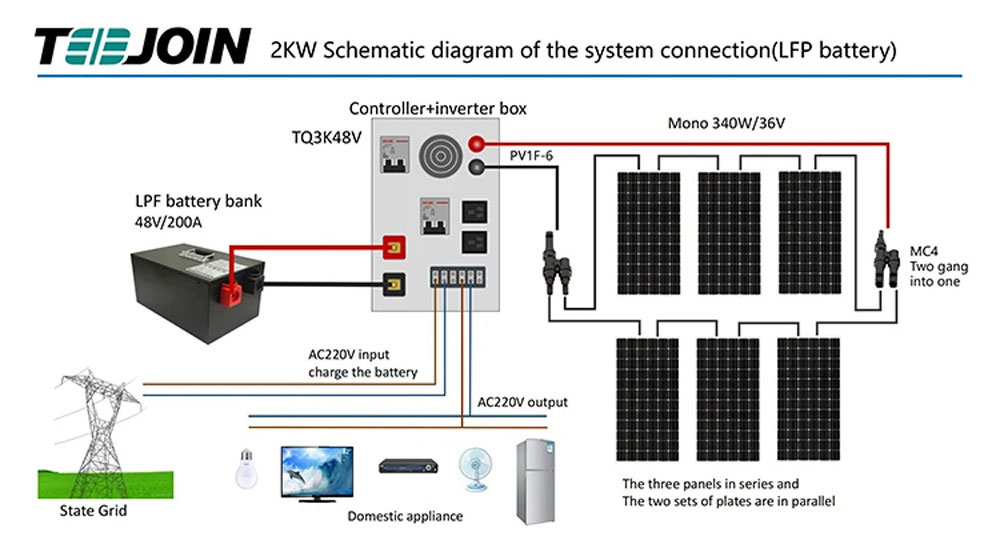
Solar Mounting Structure:
Solar panels are installed on mounting structures, such as racks or frames, which support and position the panels to optimize sunlight exposure.
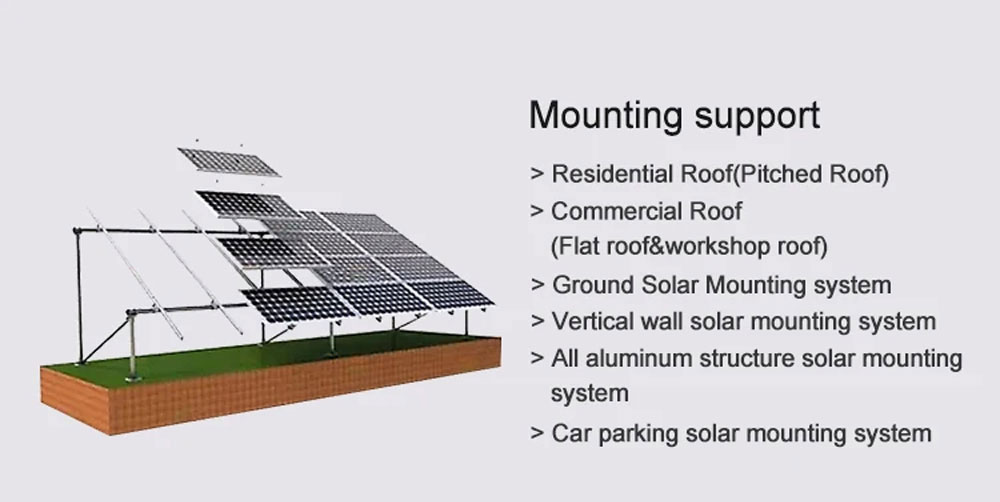
Solar Racking and Mounting:
These components are used to securely attach the solar panels to the roof, ground, or other installation locations.
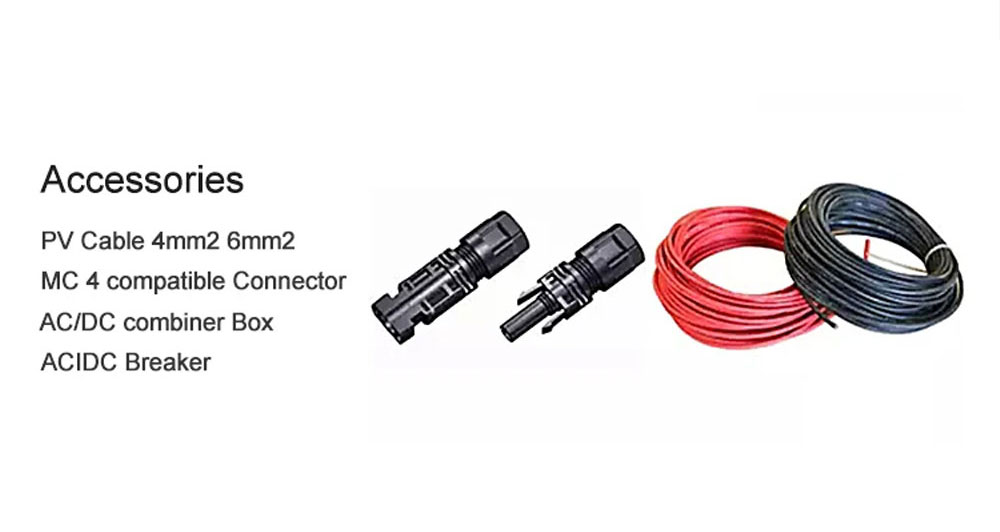
Solar Electrical Wiring and Components:
The system includes wiring, circuit breakers, and other electrical components to safely and efficiently connect the solar panels to the electrical system of the building.
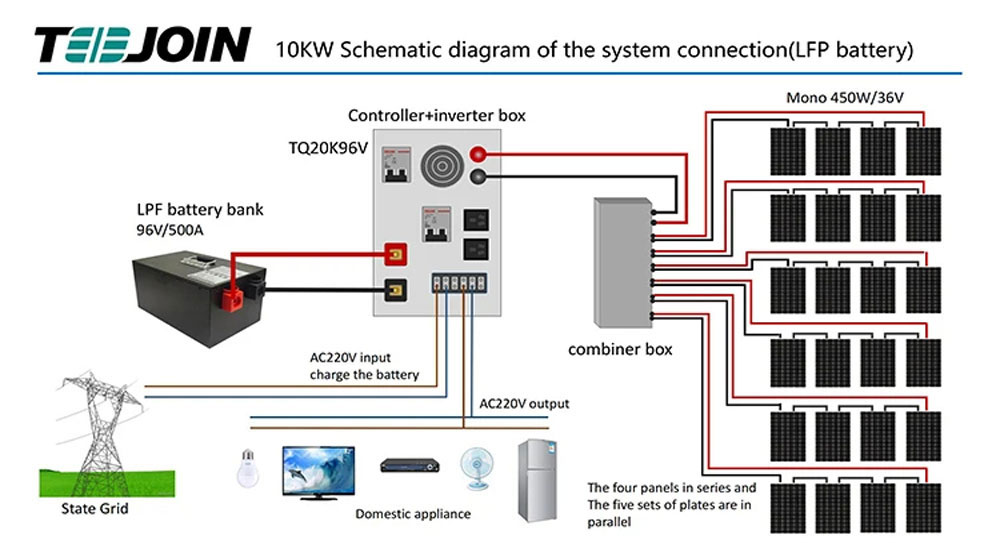
Solar Energy Storage (Optional):
Some solar power systems include energy storage solutions, such as batteries, to store excess energy generated during the day for use during periods of low sunlight or at night.
Solar power systems can be designed for residential, commercial, or industrial applications. They offer a sustainable and renewable source of electricity, reducing reliance on traditional fossil fuel-based power sources and lowering carbon emissions.
The size and capacity of a solar power system can vary based on energy needs, available space for solar panel installation, and other factors. Additionally, grid-tied solar systems are connected to the utility grid, allowing excess electricity to be exported to the grid,
while off-grid systems operate independently, using batteries or other storage solutions to meet energy needs when sunlight is not available.