


Pros, Cons & Is Solar Energy Worth It?
Solar energy is one of the most widely used renewable energy sources in the world. As governments promote clean energy and electricity prices continue to rise, more homeowners and businesses are turning to solar power systems.
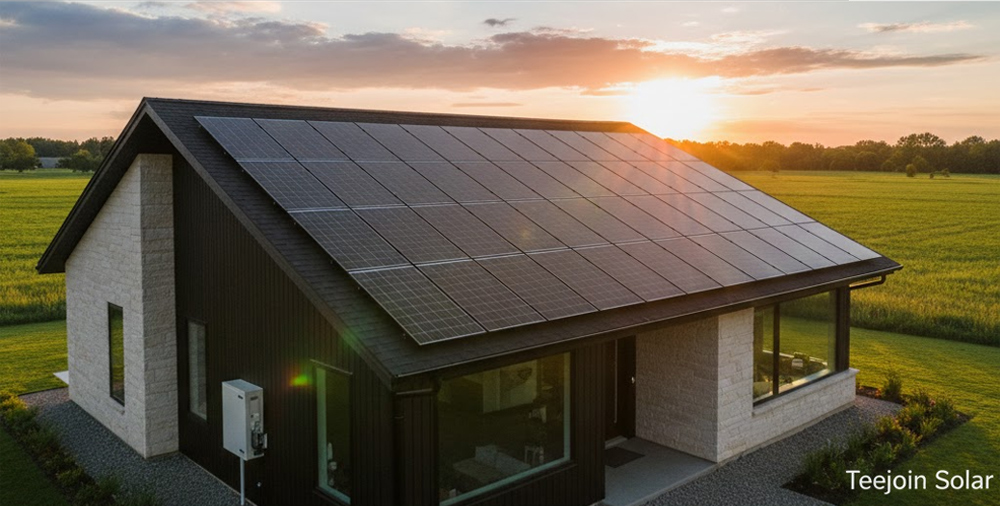
However, like any energy solution, solar energy has both advantages and disadvantages. Understanding both sides helps users make informed decisions before investing in a solar power system.
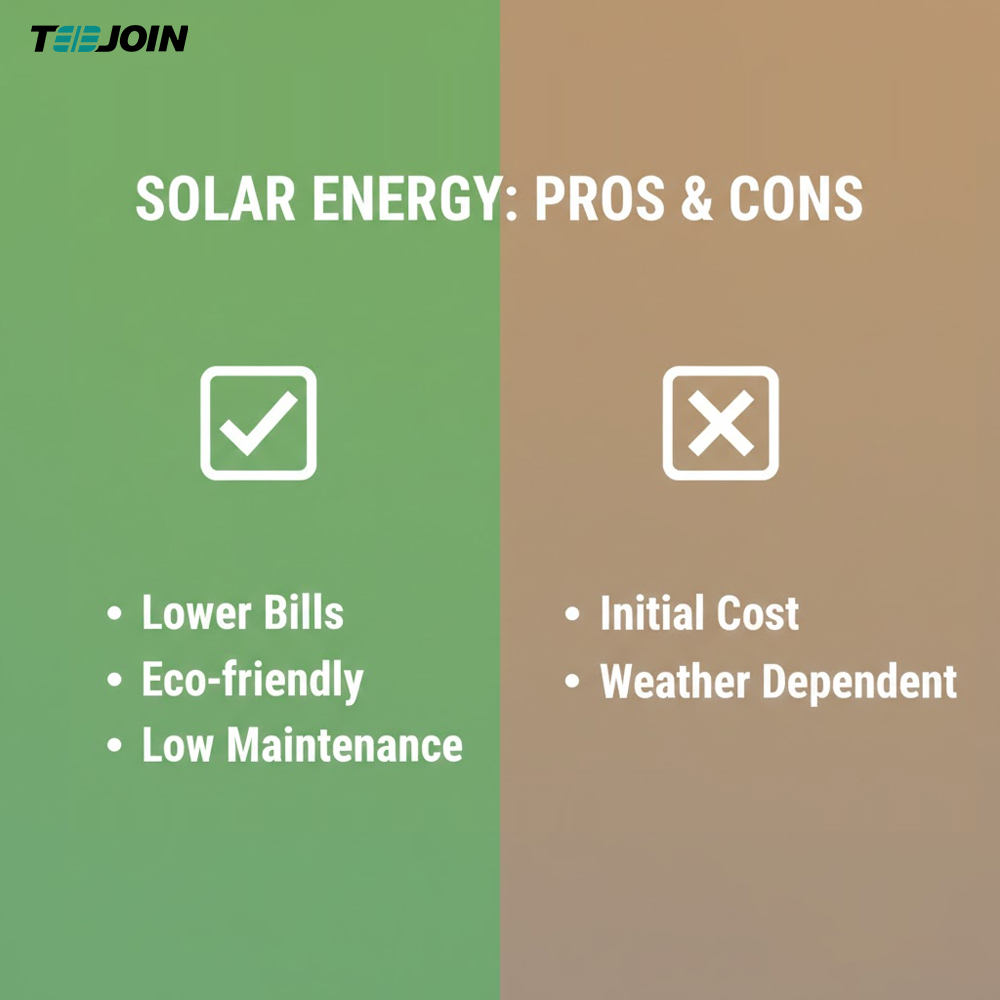
Advantages of Solar Energy
1. Renewable and Environmentally Friendly
Solar energy is a renewable energy source that relies on sunlight, which is naturally available and inexhaustible. Unlike fossil fuels, solar power generation produces no greenhouse gas emissions during operation.
By adopting solar energy, users can significantly reduce their carbon footprint and contribute to environmental sustainability.
2. Reduced Electricity Bills
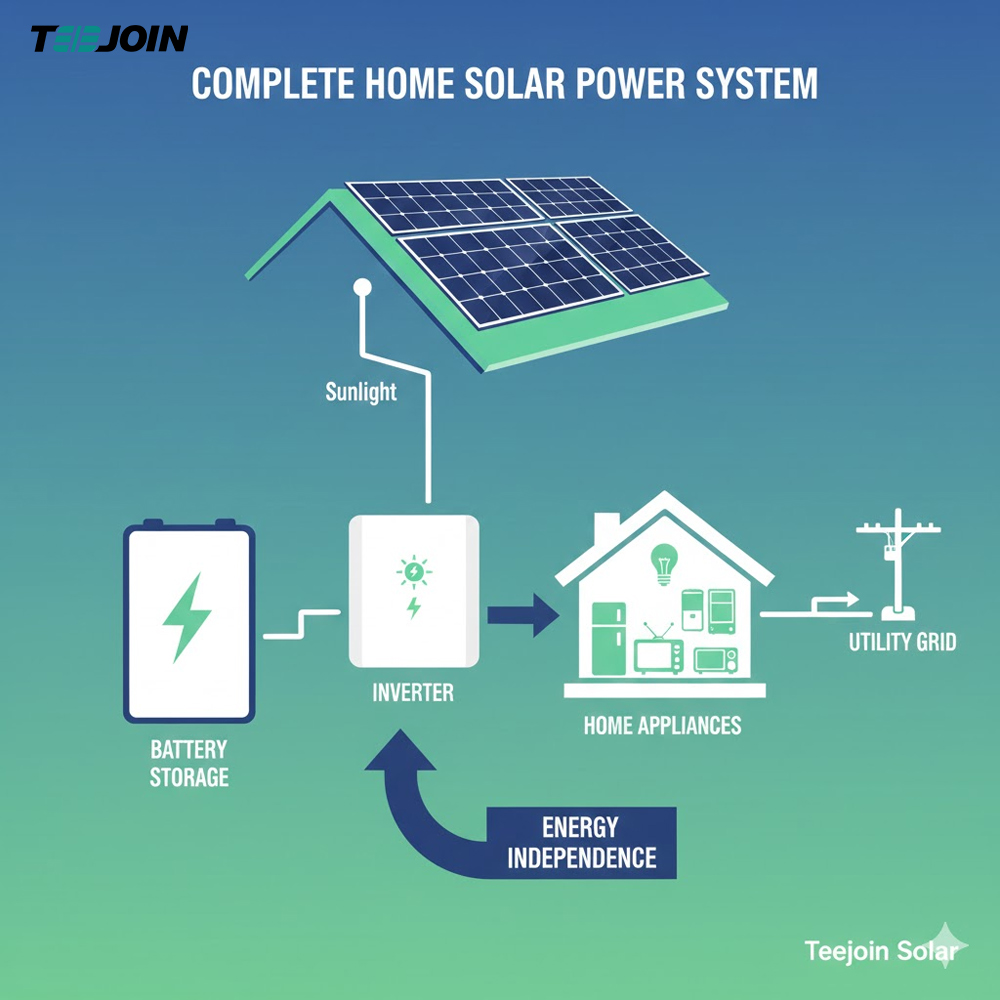
One of the biggest advantages of solar energy is the ability to lower electricity costs. Solar power systems generate electricity on-site, reducing reliance on the utility grid.
In many regions, surplus electricity can be exported to the grid through net metering programs, further improving cost savings.
3. Low Operating and Maintenance Costs
Once installed, solar power systems require minimal maintenance. Solar panels have no moving parts, which reduces the risk of mechanical failure.
Routine cleaning and periodic inspections are usually sufficient to maintain system performance over decades.
4. Long System Lifespan
High-quality solar panels are designed to operate for 25 years or more. With gradual performance degradation, solar systems continue generating electricity long after the initial investment is recovered.
This long lifespan makes solar energy a stable and predictable long-term energy solution.
5. Energy Independence
Solar energy allows users to generate their own electricity, reducing dependence on utility providers and protecting against rising electricity prices.
When combined with battery storage, solar systems can provide backup power during grid outages, improving energy security.
Disadvantages of Solar Energy
1. High Initial Investment
The initial cost of installing a solar power system can be relatively high, especially for systems that include battery storage.
However, falling component prices, government incentives, and long-term savings help offset the upfront investment.
2. Weather and Sunlight Dependence
Solar energy generation depends on sunlight availability. Cloudy weather, seasonal changes, and shorter daylight hours can reduce energy production.
This limitation can be addressed through proper system sizing, battery storage, and grid connection.
3. Energy Storage Costs
To use solar energy at night or during power outages, battery storage is required. Batteries add additional cost and require careful selection and management.
Despite this, battery technology continues to improve, offering higher capacity and longer lifespan at lower cost.
4. Space Requirements
Solar panels require sufficient installation space, particularly for large-scale systems. Limited roof space or shading can reduce system capacity.
Professional site assessment helps optimize system layout and maximize available space.
Is Solar Energy Worth It?
For most residential and commercial users, solar energy is a worthwhile long-term investment. Reduced electricity bills, environmental benefits, and energy independence make solar power an attractive solution.
The return on investment depends on system size, electricity tariffs, incentives, and installation quality. In many regions, solar systems achieve payback within 3 to 6 years.
How to Maximize the Benefits of Solar Energy
To get the most value from solar energy, users should:
Choose high-quality solar panels and inverters
Work with experienced solar system manufacturers
Optimize system design based on energy usage
Consider hybrid systems for backup power
Proper planning ensures maximum efficiency and long-term performance.
Choosing a Reliable Solar Energy Supplier
The quality of components and system design directly impacts solar system performance.
Teejoin Solar, a brand of Guangdong Aurora Solar Technology Co., Ltd., provides reliable solar panels, energy storage systems, and complete solar power solutions for global markets. With professional manufacturing and strict quality control, we help customers maximize the benefits of solar energy.
Conclusion
Solar energy offers significant advantages, including clean power generation, cost savings, and long-term reliability. While it has certain limitations, modern technology and professional system design have made solar energy one of the most practical renewable energy solutions available today.
Understanding the advantages and disadvantages of solar energy allows users to make confident and informed investment decisions.