


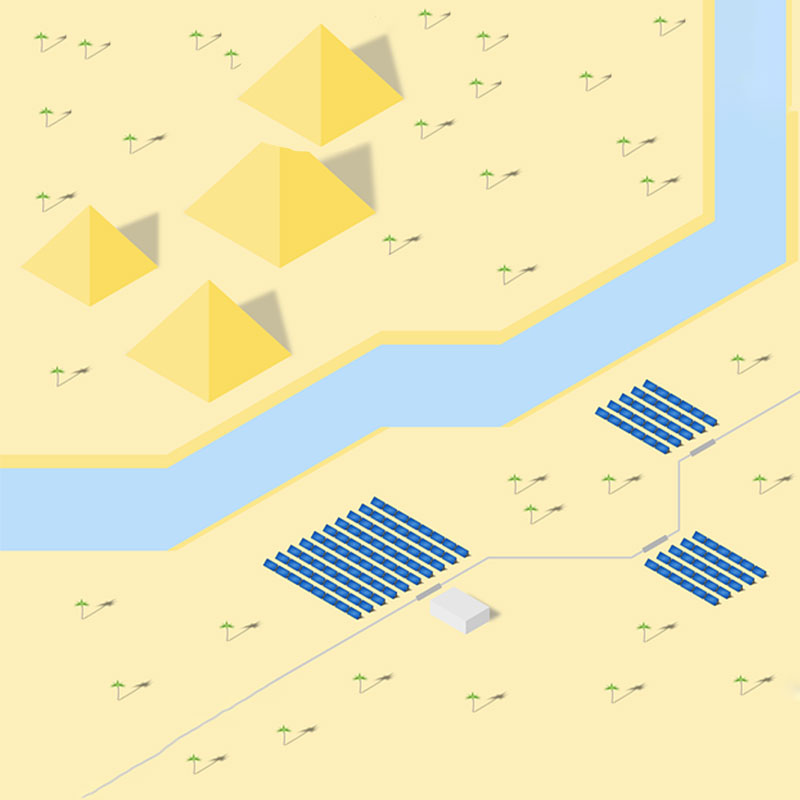
Photovoltaic panel is a technology that converts solar energy into electricity. The basic structure of solar panels is made of amorphous silicon, polycrystalline silicon, monocrystalline silicon and other materials. The working principle is to generate direct current by shining solar radiation onto the solar photovoltaic module. The principle of using photovoltaic panels to treat deserts is to use solar energy to drive the photovoltaic panels to evaporate water, thus creating a greenhouse effect and achieving the conditions for plant growth. This technology can solve the problem of desert management, promote economic development, and reduce the negative impact on society such as sandstorms.
How feasible is it to treat the desert with solar power panels? Here are some examples:
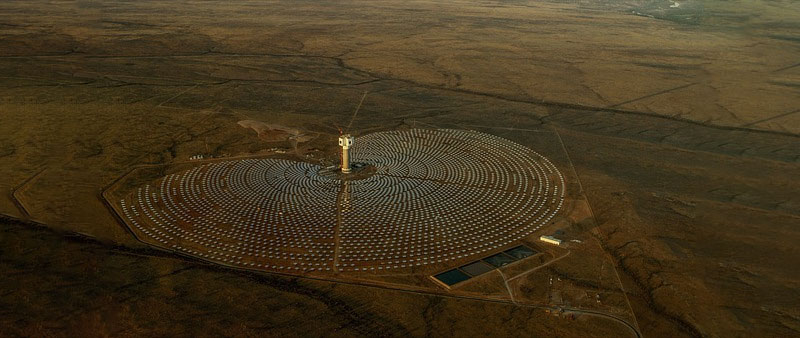
First, a successful trial of a "forest-friendly network" in the Salausu Desert in Inner Mongolia, China, a project led by the Nanjing Institute of Soil Research of the Chinese Academy of Sciences and implemented between 2017 and 2018. In this project, scientists used solar collectors and a solar panel-driven humidification system to create an artificial vegetation belt, thereby promoting restoration and increased moisture in the terrestrial ecosystem surrounding the desert. The results showed a significant increase in plant growth rates and a decrease in the frequency of dust storms.
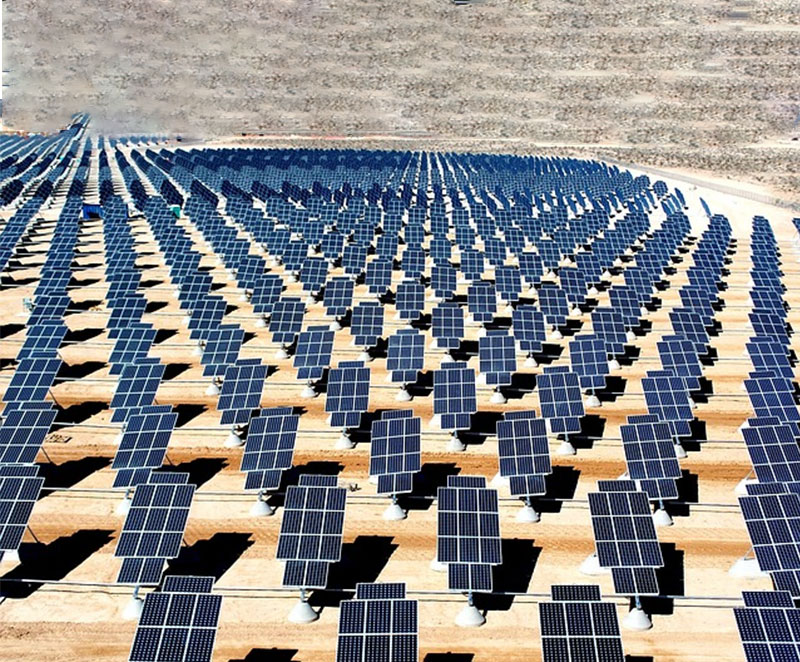
Second, there is also an unconventional project on the Sahara Desert in Saudi Arabia that aims to build a solar farm. The project uses solar charging panel technology to absorb solar energy into electricity and then nourishes large areas of the desert by channeling the excess electricity into pipes and generating high temperature, high pressure steam through quartz transistors. This practice can make the deserted areas immediately have irrigation agriculture technology to improve the living environment, so that the desert quickly into an oasis.
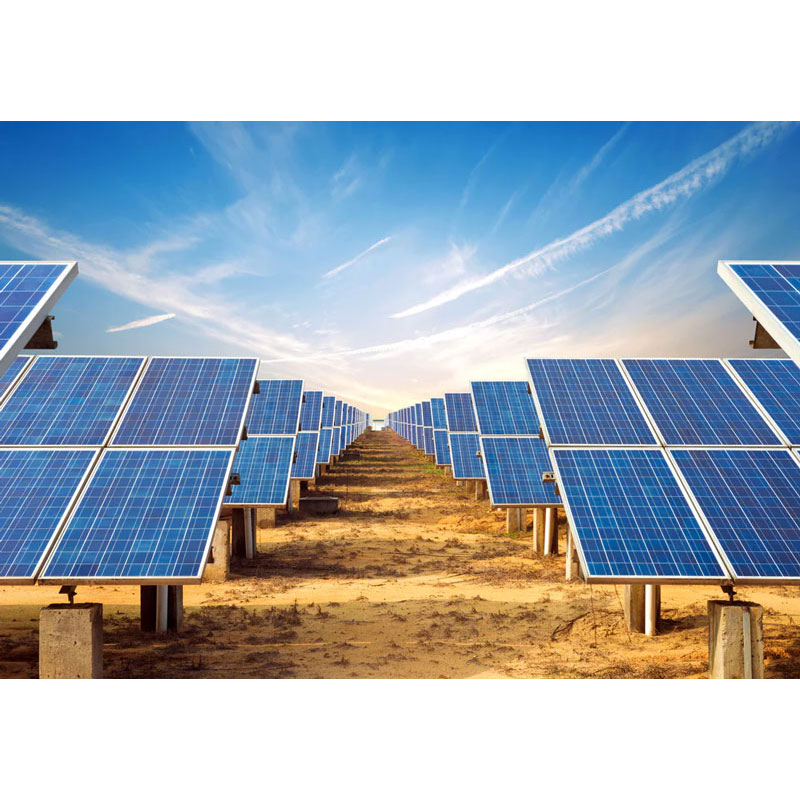
The above two cases show that there is a certain feasibility of using PV panels to treat the desert. However, there are some problems, such as
Financial problems. Solar photovoltaic panel technology requires a large amount of capital investment, especially for poor and backward areas, the cost of capital may become a big obstacle.
Maintenance issues. Although PV panel technology can treat deserts, it requires regular maintenance, including cleaning and replacing damaged parts. This requires an additional investment of time and money costs.
Land issues. In some cases, the use of large-scale PV panels to treat deserts may take up land that would otherwise be used for farming or habitation. Therefore, there is a need to balance the needs of different stakeholders.
Energy storage issues. The electricity generated by PV panels needs to be stored for later use. However, the problem of PV power storage technology has not been fully solved yet, so other means of storing this energy are needed.
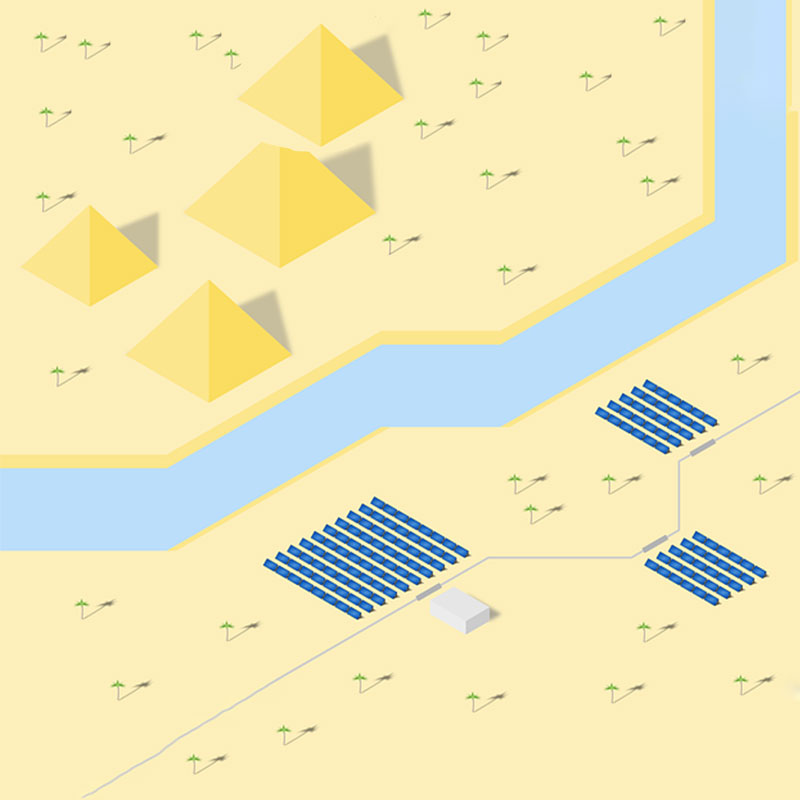
Therefore, while PV panel technology can treat deserts and provide clean energy to the world, there are challenges that need to be addressed during implementation, such as funding, maintenance, land, and energy storage. This requires careful planning and implementation while balancing multiple interests.
More Product Picks


Follow us ! TEEJOIN SOLAR


