


Monocrystalline vs Polycrystalline Solar Panels | Efficiency & Cost Comparison
As solar energy adoption continues to grow worldwide, many homeowners and businesses face an important question: Monocrystalline vs Polycrystalline solar panels — which is better?
Understanding the differences between these two major types of solar panels helps you choose the right solution for your solar system, whether for residential rooftops, commercial installations, or utility-scale projects.
★ What Is Monocrystalline Solar?
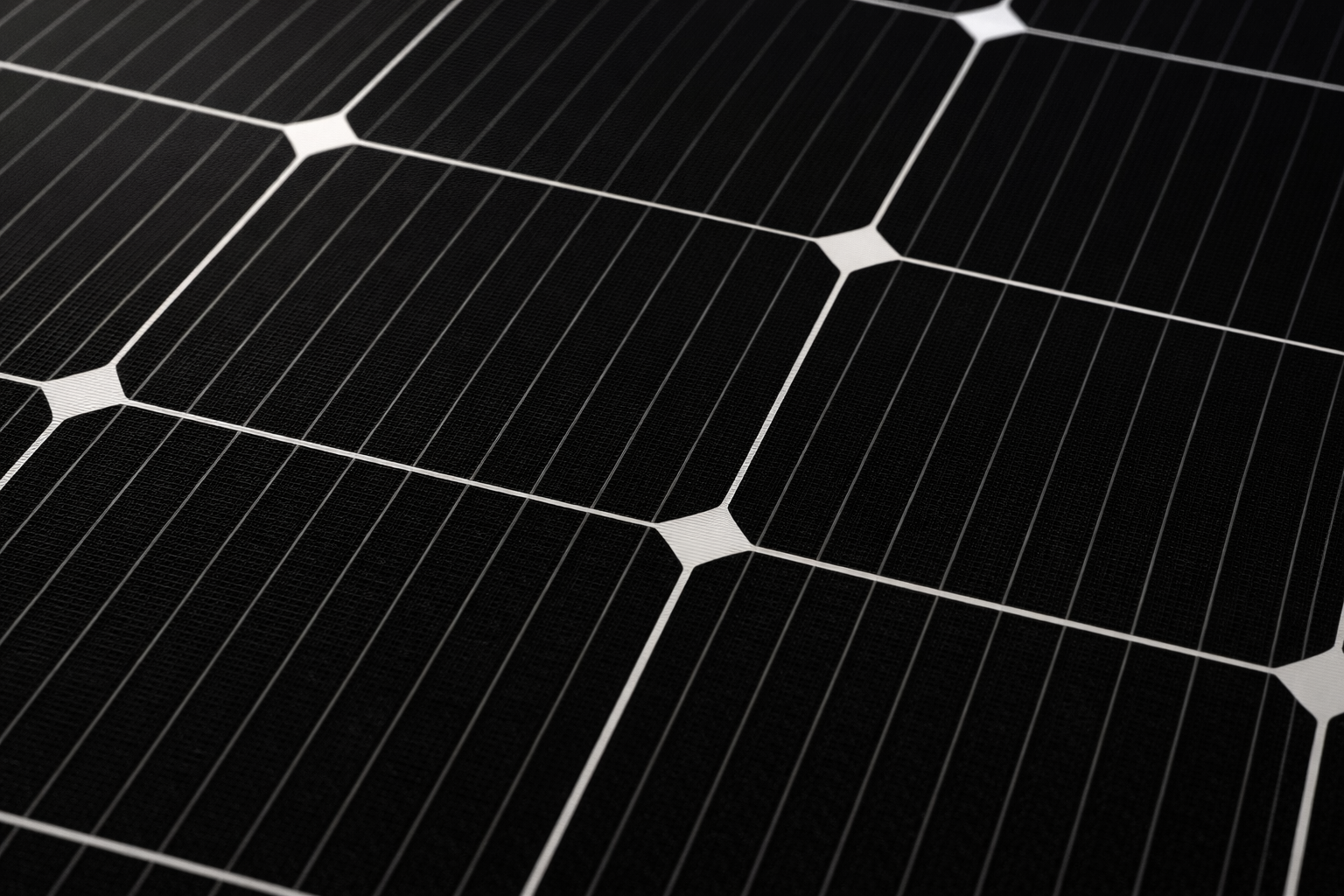
Monocrystalline solar panels are made from a single continuous silicon crystal structure. Because of this high-purity silicon design, monocrystalline solar modules offer:
Higher efficiency (typically 20%–23%)
Better performance in low-light conditions
Longer lifespan (25+ years)
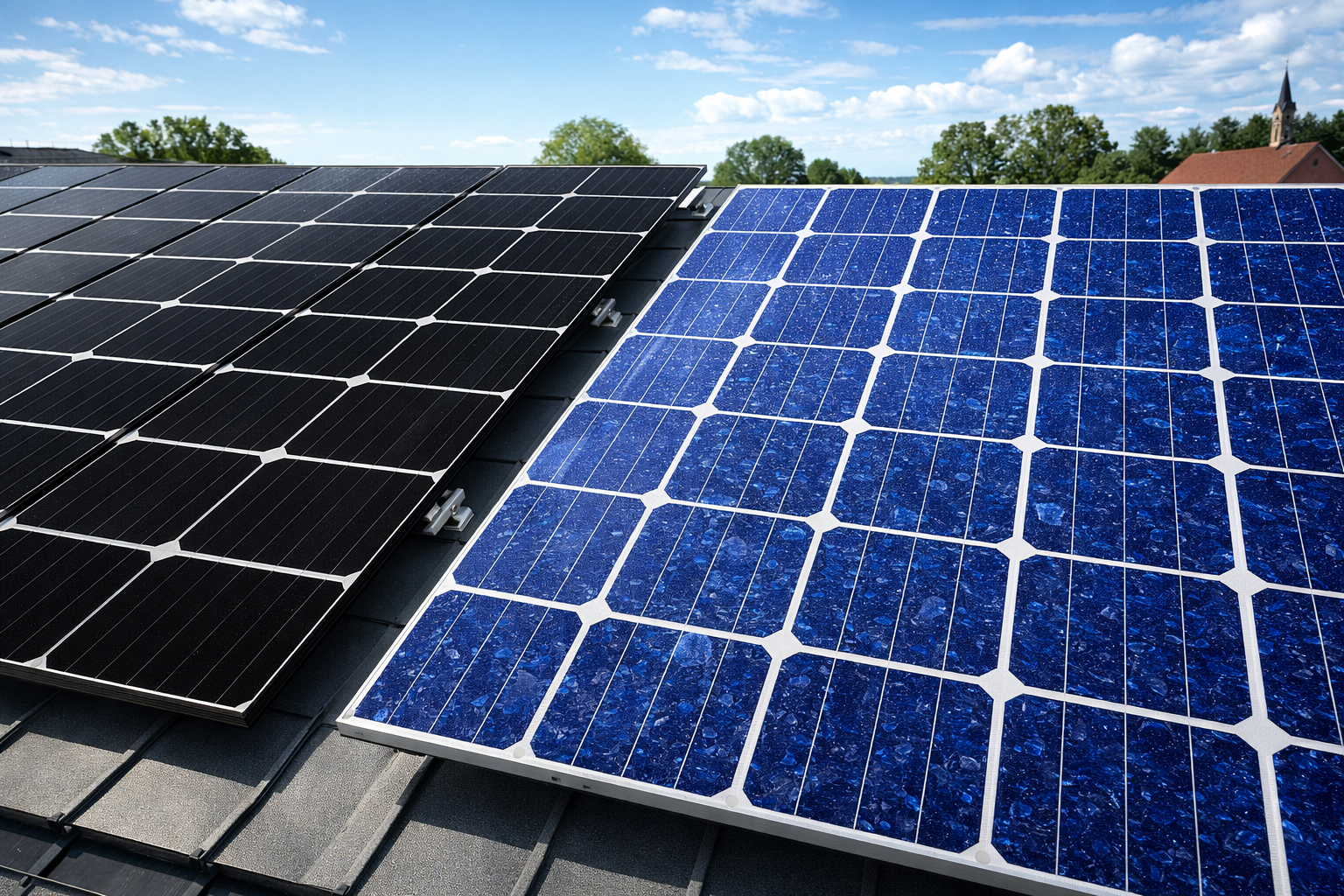
Sleek black appearance
Monocrystalline panels are ideal for projects where space efficiency is important, such as residential rooftop solar systems in Europe and North America.
Key Benefits of Monocrystalline Solar Panels
Higher power output per square meter
Stronger temperature performance
Premium aesthetic look
Higher return on investment over time
★ What Is Polycrystalline Solar?
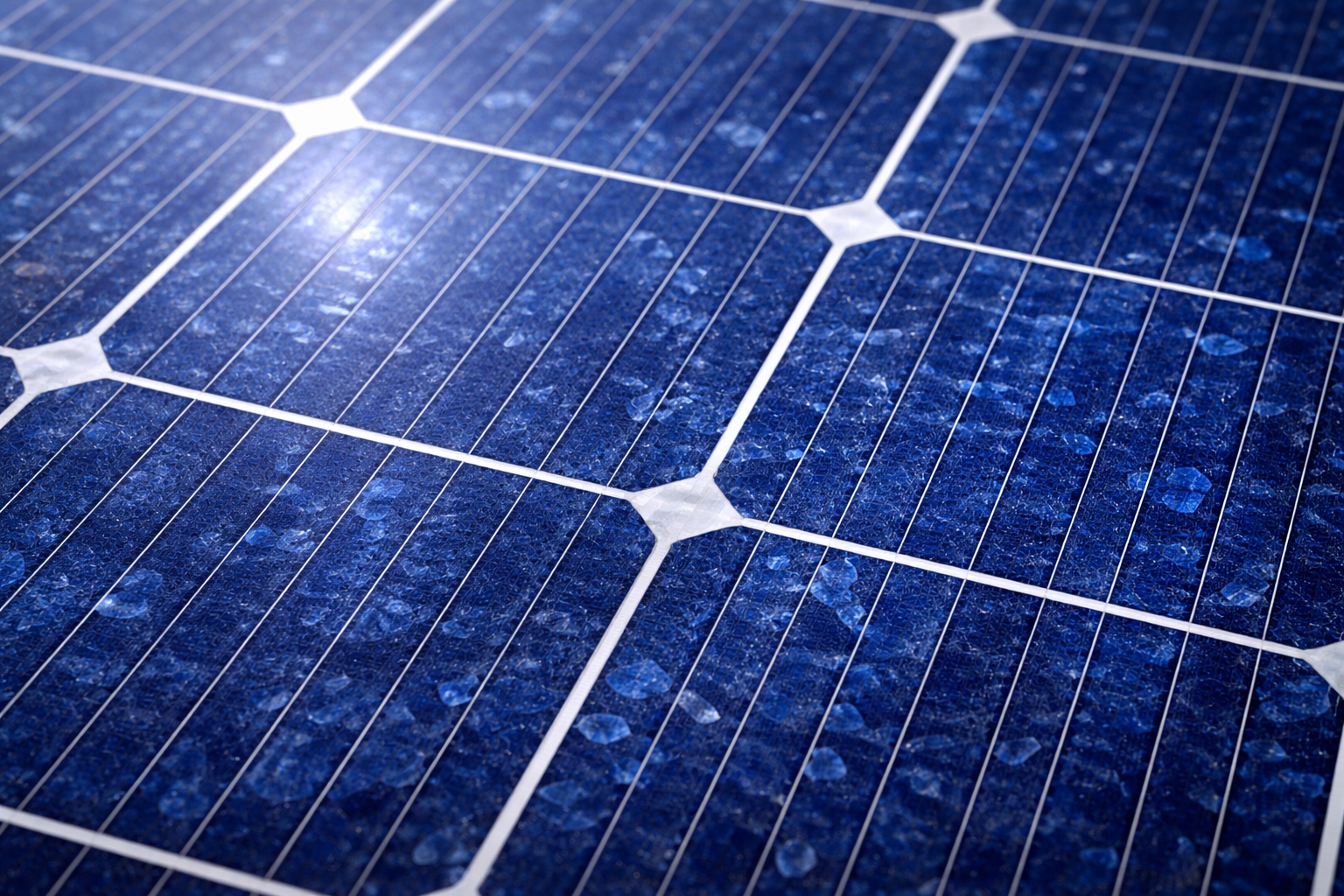
Polycrystalline solar panels are manufactured using multiple silicon fragments melted together. This production process is more cost-effective, resulting in:
Lower manufacturing cost
Slightly lower efficiency (15%–18%)
Blue textured appearance
Polycrystalline panels are often chosen for large ground-mounted solar farms where installation space is not limited.
Key Benefits of Polycrystalline Solar Panels
Lower upfront investment
Reliable long-term performance
Suitable for large-scale solar power systems
Good value for commercial installations
★ Monocrystalline vs Polycrystalline Solar Panels: Comparison Table
| Feature | Monocrystalline Solar | Polycrystalline Solar |
|---|---|---|
| Efficiency | 20–23% | 15–18% |
| Cost | Higher | Lower |
| Appearance | Black | Blue |
| Space Requirement | Less space | More space |
| Lifespan | 25+ years | 20–25 years |
| Performance in Heat | Better | Moderate |
★ Which Solar Panel Is Better for Your Solar System?
There is no one-size-fits-all answer. The best choice depends on:
Available installation space
Budget considerations
Climate conditions
Energy consumption goals
For European residential rooftops where space is limited, monocrystalline solar panels are often preferred.
For commercial solar farms in the US or emerging markets where land is abundant, polycrystalline panels can provide a cost-effective solution.
★ Efficiency and Long-Term Performance
If your goal is maximizing power output and improving ROI over 25 years, monocrystalline solar modules typically deliver better performance.
However, polycrystalline solar panels remain a reliable and economical option for large solar systems with lower installation constraints.
★ The Future of Solar Technology
With advancements such as:
PERC technology
Half-cut cells
Bifacial solar panels
N-type TOPCon solar modules
Modern monocrystalline solar technology continues to dominate global installations due to improved efficiency and declining production costs.
★ Conclusion
When comparing monocrystalline vs polycrystalline solar panels, the decision ultimately depends on your project priorities.
Choose monocrystalline solar for higher efficiency and premium performance.
Choose polycrystalline solar panels for cost-effectiveness and large-scale installations.
For professional guidance on selecting the right solar system solution, working with an experienced manufacturer ensures optimal results.