


What Does Solar Panel Efficiency Mean?
When people search for solar solar technology, one of the first questions they ask is: How efficient are solar panels?
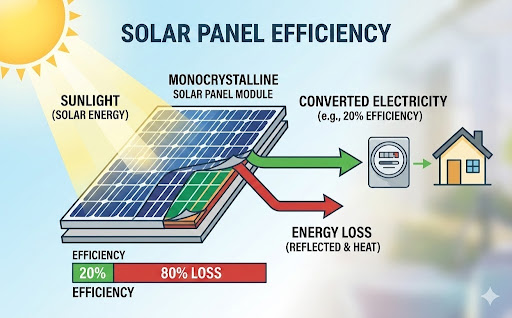
Solar panel efficiency refers to how much sunlight a panel can convert into usable electricity. In simple terms, it measures the percentage of solar energy that becomes electrical power.
For example, if a solar panel has 20% efficiency, it converts 20% of the sunlight hitting it into electricity. The rest is reflected or lost as heat.
Today’s high-quality solar panels typically offer efficiency rates between 18% and 23%, depending on technology and manufacturing standards.
What Affects Solar Panel Efficiency?
Several factors influence how efficiently a solar system produces electricity:
1. Solar Cell Type
There are different technologies available:
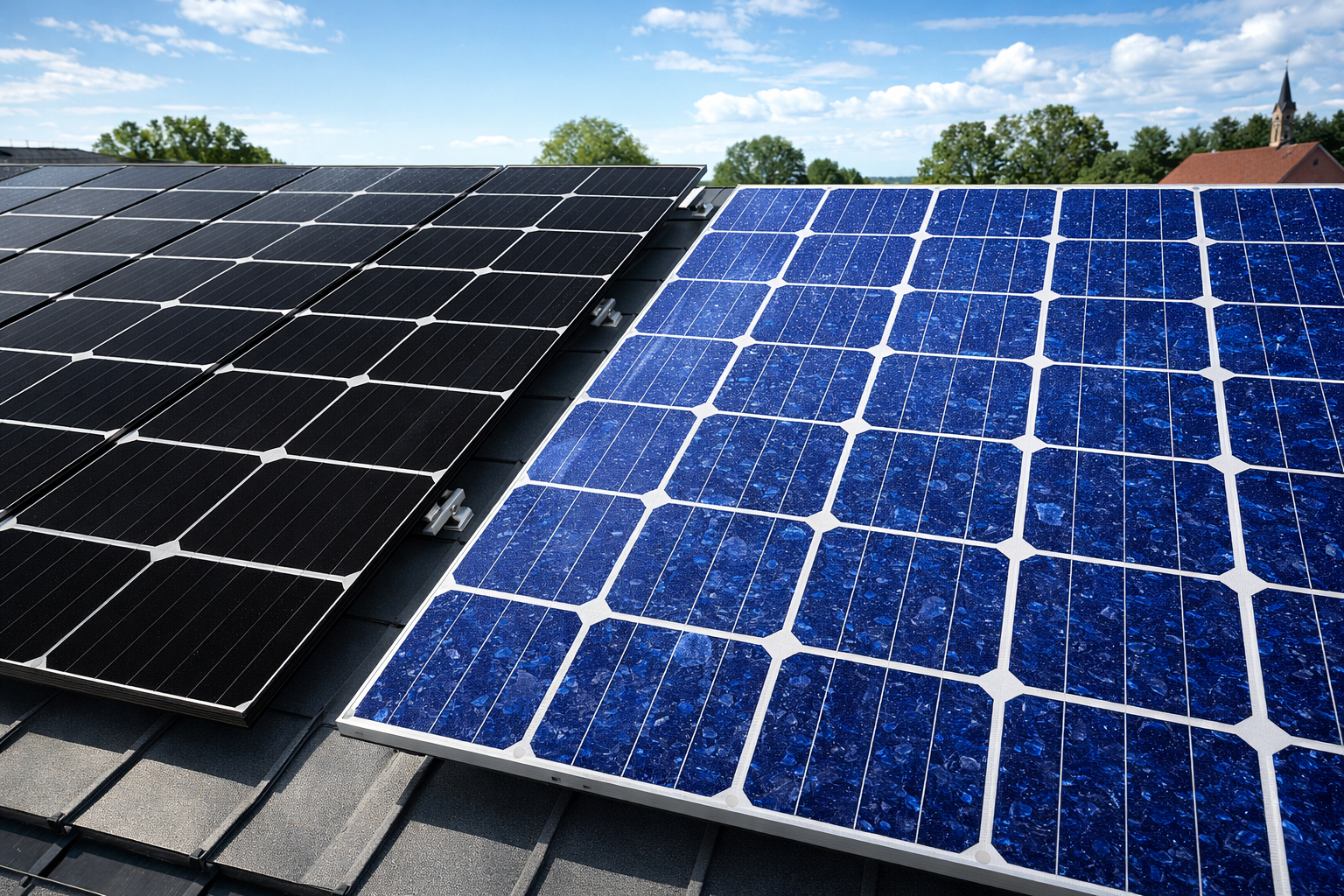
Monocrystalline silicon – Higher efficiency (19–23%), black appearance, premium performance
Polycrystalline silicon – Slightly lower efficiency (16–18%), blue appearance, cost-effective
Monocrystalline panels generally perform better in limited space installations.
2. Temperature
Many people assume hotter weather means better performance. In reality, high temperatures reduce panel efficiency. Solar panels operate best in cool, sunny conditions.
3. Sunlight Angle & Location
Regions with high solar irradiance (like Southern Europe or California) generate more power annually. Proper tilt and installation angle maximize efficiency.
4. Inverter Quality
Even highly efficient solar panels can underperform if paired with low-quality inverters. A complete solar system should use reliable components to avoid energy loss.
Why Higher Efficiency Matters
Higher efficiency means:
More electricity from limited roof space
Faster return on investment
Lower long-term energy cost
Improved sustainability performance
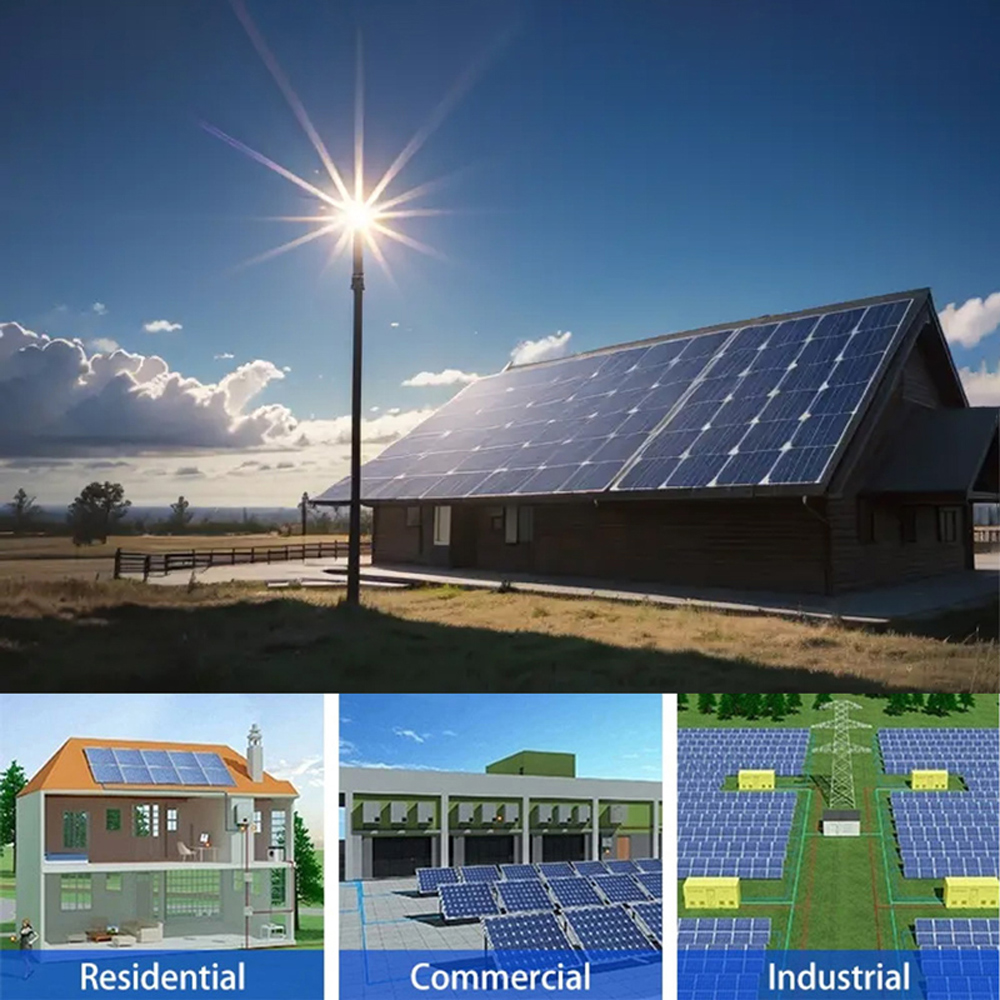
For homeowners and commercial buyers in Europe and North America, maximizing roof space is often critical. High-efficiency solar solutions are especially valuable in urban areas where space is limited.
How to Improve Solar System Performance
Even after installation, performance can be optimized:
Keep panels clean (dust reduces efficiency)
Avoid shading from trees or nearby buildings
Use high-efficiency modules
Choose professional system design
Emerging technologies such as bifacial panels and half-cut cells are also improving real-world efficiency.
Average Solar Panel Efficiency in 2026
Modern premium panels now reach over 22% module efficiency. Technological improvements continue to increase output while reducing cost per watt.
This makes solar solar energy one of the most cost-effective renewable solutions worldwide.
Conclusion
Understanding solar panel efficiency helps buyers make smarter decisions. Efficiency is not just a technical number—it directly affects system performance, investment return, and long-term energy savings.
By selecting high-quality solar panels and a well-designed solar system, customers in Europe and North America can maximize energy production and sustainability impact.