


What is the difference between monocrystalline and polycrystalline silicon solar panels and which is better?
Difference between monocrystalline and polycrystalline silicon solar panels and which is better
2025-11-17 16:19:37
Polysilicon and monocrystalline silicon are two different substances, polysilicon is the chemical proper noun commonly known as glass, high-purity polysilicon material that is high-purity glass, monocrystalline silicon is the raw material for the production of solar photovoltaic cells, but also the material for the production of semiconductor chips, because the production of monocrystalline silicon ore raw materials are rare and complex production process, so the production is low and expensive, then monocrystalline silicon solar cells and polycrystalline good solar cells have What is the difference, which is better?
First, the difference in appearance
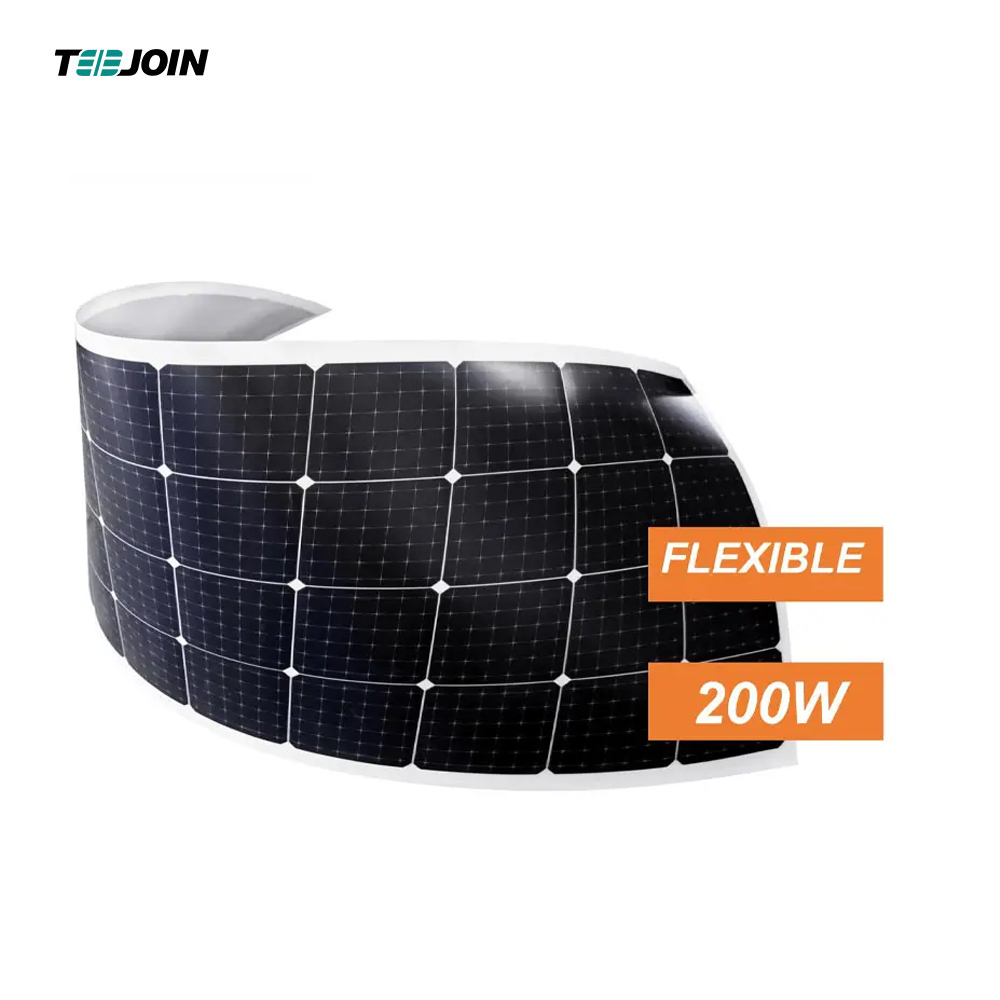
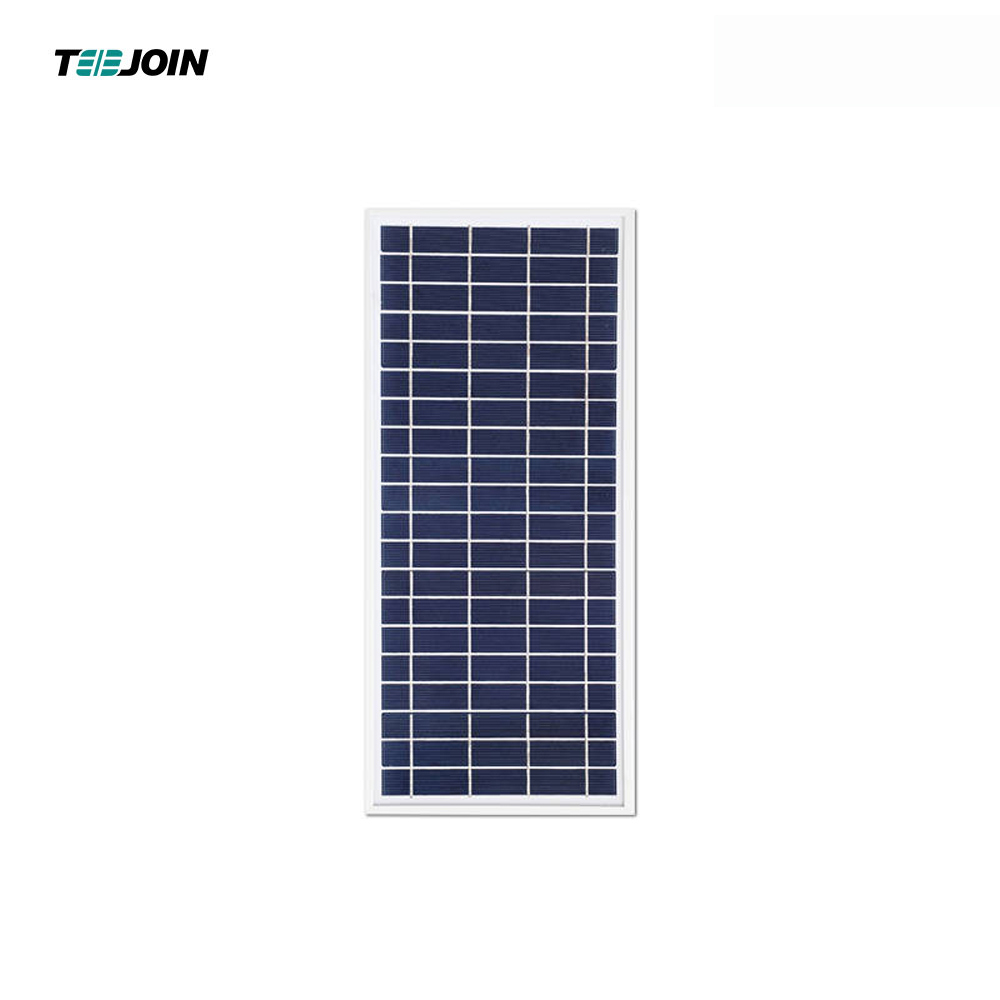
From the appearance of the above, the four corners of monocrystalline silicon cells show a rounded shape, no pattern on the surface; while the four corners of polycrystalline silicon cells show a square angle, the surface has a pattern similar to ice; and amorphous silicon cells is what we usually call thin film components, it is not like crystalline silicon cells can be seen out of the grid line, the surface is as clear and smooth as a mirror.
Second, the difference between the use of the above
For users, there is no big difference between monocrystalline and polycrystalline silicon cells, which have a good life and stability. Although the average conversion efficiency of monocrystalline silicon cells is about 1% higher than polycrystalline silicon, but because monocrystalline silicon cells can only be made into quasi-square (all four sides are rounded), so when the composition of the solar panel will have a part of the area is not filled; and polycrystalline silicon is square, so there is no such a problem, their advantages and disadvantages are as follows:
Crystalline silicon modules: the power of a single module is relatively high. Under the same footprint, the installed capacity is higher than that of thin film modules. However, the modules are heavy and fragile, with poor high temperature performance, poor light fading and high annual attenuation rates.
Thin film modules: The power of a single module is relatively low. But the power generation performance is high, the high temperature performance is good, the low light performance is good, the shadow shading power loss is small, and the annual decay rate is low. Wide application environment, beautiful, environmental protection.
Third, the difference between manufacturing processes
Polycrystalline silicon solar cells consume about 30% less energy than monocrystalline silicon solar cells in the manufacturing process, so polycrystalline silicon solar cells account for a large share of the world's total solar cell production, manufacturing costs are also less than monocrystalline silicon cells, so the use of polycrystalline silicon solar cells will be more energy efficient and environmentally friendly!
Which is better, monocrystalline silicon or polycrystalline silicon solar cells?
At present, the photoelectric conversion efficiency of monocrystalline silicon solar cells is about 15%, with the highest reaching 24%, which is the highest photoelectric conversion efficiency of all types of solar cells, but the production cost is so large that it cannot be widely and commonly used in large numbers. As monocrystalline silicon is generally encapsulated in tempered glass and waterproof resin, it is robust and durable, with a life expectancy of 15 years in general and up to 25 years.
The production process of polycrystalline silicon solar cells is similar to that of monocrystalline silicon solar cells, but the photoelectric conversion efficiency of polycrystalline silicon solar cells is much lower, with a photoelectric conversion efficiency of around 12% (Sharp Japan launched the world's highest efficiency polycrystalline silicon solar cells with an efficiency of 14.8% on 1 July 2004).
In terms of production costs, it is cheaper than monocrystalline silicon solar cells, easy to manufacture materials, save electricity consumption, the total production cost is lower, so it has been developed in large numbers. In addition, the service life of polycrystalline solar cells is shorter than that of monocrystalline solar cells. In terms of performance to price ratio, monocrystalline silicon solar cells are also slightly better.
The production process of polycrystalline silicon solar cells is similar to that of monocrystalline silicon solar cells, but the photoelectric conversion efficiency of polycrystalline silicon solar cells is much lower, with a photoelectric conversion efficiency of about 12%. From the production cost, than monocrystalline silicon solar cells to some, easy to manufacture materials, save electricity consumption, the total production cost is lower, so get a lot of development. In addition, the service life of polycrystalline silicon solar cells is also shorter than that of monocrystalline silicon solar cells. In terms of performance to price ratio, monocrystalline solar cells are also slightly better.
Overall, the solar cell pool on the market now is still using monocrystalline more on some, basically the technology is mature, the market is large, maintenance to be much more convenient.
More Product Picks

Follow us ! TEEJOIN SOLAR


